Vintage Retro Bingo Cards Game Design Review
As a designer who has spent years stitching out everything from delicate nursery accents to heavy-duty commercial merchandise, I approach every new embroidery file with a mix of excitement and skepticism. The market is flooded with digital assets, but few truly stand the test of real-world application. Today, I am putting the Vintage Retro Bingo Cards Game Design under the microscope. This piece falls into the Print Templates and Graphics categories, offering SVG, EPS, PNG, DXF, and PDF formats for immediate use. But does it translate well from a screen to the hoop? Let's find out.
First Impressions: A Nostalgic Hook
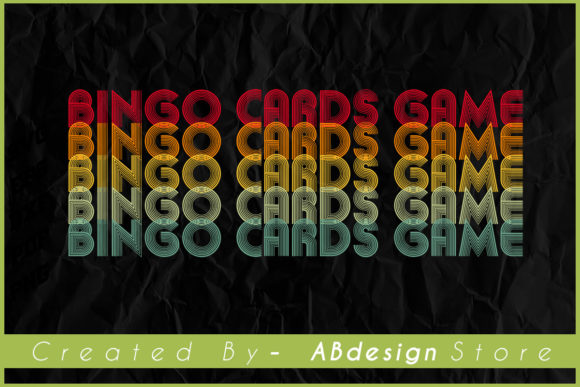
The moment you open the design files, the mood shifts. The Vintage Retro Bingo Cards Game Design immediately evokes a sense of mid-century charm mixed with playful nostalgia. It isn't just a grid of numbers; it feels like a memory of family game nights or a cozy afternoon at a community center. For an embroiderer, this visual personality is gold. It suggests warmth, accessibility, and fun, which are exactly the emotions you want to convey when creating personalized gifts or boutique items.
The layout is structured yet inviting. Unlike some chaotic modern graphics that struggle to stitch clearly, this design relies on clean lines and distinct shapes that naturally lend themselves to traditional embroidery techniques. It feels like a design that belongs on a worn apron in a grandmother's kitchen or a stylish tote bag at a local craft fair. It strikes a balance between being a machine embroidery design and a standalone graphic asset, making it versatile for both physical stitching and digital mockups.
Real-World Application: The Custom Tote Scenario
To truly understand how this design performs, imagine a specific scenario. You are preparing inventory for a small business shop specializing in handmade gifts. You decide to create a line of custom embroidered tote bags for a "Game Night" collection. You select the Vintage Retro Bingo Cards Game Design to be stitched onto a natural canvas tote. The goal is to create a product that looks professional enough to sell at a high-end craft fair but retains that handmade, artisanal feel.
In this context, the design shines. The retro aesthetic pairs perfectly with the rustic texture of canvas. When stitched, the clear geometry of the bingo card translates beautifully into thread. The design doesn't look like a cheap sticker; it looks like an integral part of the fabric. Customers browsing the stall would likely stop because the design communicates a story before they even read the text. It transforms a simple utility item into a conversation starter. Whether you are an Etsy seller or a maker selling at a local market, this kind of visual appeal increases perceived value and customer trust.
Apparel and Home Decor Potential
Beyond totes, the versatility of this embroidery project extends to various garments and home goods. On a sweatshirt, the design could serve as a chest pocket accent or a large back print for a family reunion shirt. On baby clothes, the soft, rounded edges of the retro style fit well with nursery themes. It also works exceptionally well on kitchen towels and pillow covers, adding a touch of whimsy to dining spaces.
For those creating commercial embroidery assets, the design offers a strong foundation for branding. Imagine a boutique owner using this motif on their staff aprons or as a logo variation for a game-themed event. The consistent visual language helps build brand recognition. If you are producing printable mockups to showcase your services to clients, this design provides a realistic representation of what a finished product will look like, helping to close sales more effectively.
Technical Considerations and Fabric Challenges
While the artistic vision is strong, a professional designer must always consider the technical execution. The Vintage Retro Bingo Cards Game Design requires careful planning regarding where it is placed. If you attempt to stitch this on a curved surface like a baseball cap, you might encounter issues with the straight lines of the bingo grid distorting over the curve. While possible, it requires precise hooping and potentially a smaller hoop size to manage the tension.
Fabric choice is equally critical. This design performs best on stable, woven fabrics. If you try to apply it to thin, stretchy materials without proper stabilization, the grid lines may pucker or warp during the stitching process. Similarly, textured fabrics like thick bouclé wool can hide the fine details of the retro elements. In these cases, the design might lose its crispness, resulting in a muddy appearance rather than a sharp, professional finish.
Dense stitch areas are another factor to watch. If the original file contains too much fill stitch in a small area, it can become stiff and uncomfortable against the skin, particularly on baby items or fitted t-shirts. Before committing to a production run, it is vital to review the stitch density. If the design feels too heavy, consider simplifying the fill patterns or adjusting the thread colors to break up the visual weight.
Navigating Small Details and Lettering
One area to exercise caution is the lettering and small decorative accents within the design. If the numbers or text elements are very small, they may not hold up well after multiple washes, especially on items that see frequent laundering like aprons or tea towels. Tiny running stitches can easily snag or unravel if the stabilizer was not used correctly. Always inspect the design closely for any tiny corners or isolated dots that might cause threading issues on your machine.
When working with dark fabrics, the contrast becomes a major concern. The vintage palette of the design needs to pop against the background. If the thread colors chosen do not provide sufficient contrast, the intricate details of the bingo card will get lost in the fabric weave. Testing the color combination on a scrap piece of the actual garment fabric is non-negotiable for achieving a premium look.
Practical Designer Notes for Success
To ensure the Vintage Retro Bingo Cards Game Design delivers the results you expect, follow these practical steps. First, always test the design on scrap fabric before touching your final product. This allows you to check the thread colors, confirm the hoop size, and assess the overall stability of the stitch pattern. Use the appropriate stabilizer for your fabric type; cut-away stabilizers are generally recommended for woven items like totes, while tear-away may suffice for lighter apparel.
Review the design in black and white mockups to ensure the composition holds up without relying on color. Compare how the design looks on both light and dark backgrounds to verify its versatility. If you plan to sell finished items or offer the digital embroidery file as part of a package, double-check the licensing terms included with the download. Ensure you have the rights to use the design for craft business purposes and that you are not infringing on any trademarks related to the "Bingo" concept itself.
Finally, pay attention to the finishing touches. Trimming loose threads and pressing the embroidered area (if safe for the fabric) can elevate a good project to a great one. By taking the time to evaluate the stitch density and ensuring the embroidered patch or design sits flat, you protect your reputation as a quality creator.
Ultimately, the Vintage Retro Bingo Cards Game Design is a solid addition to any designer's library. It balances aesthetic charm with structural clarity, making it suitable for a wide range of handmade products. Whether you are creating a unique gift for a loved one or expanding your inventory for a small shop product line, this design offers a reliable path to a professional-looking finished product. Just remember: the difference between a good embroidery job and a great one often comes down to the preparation and testing you do before the needle ever touches the fabric.