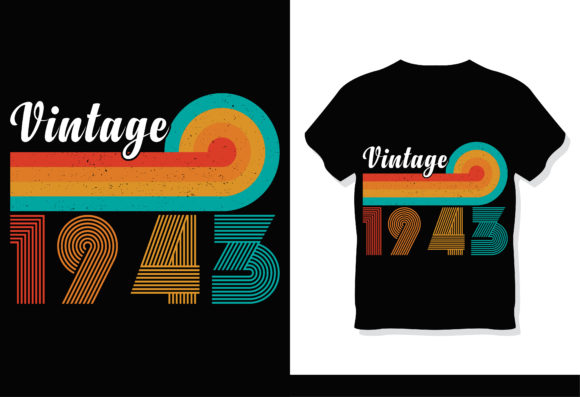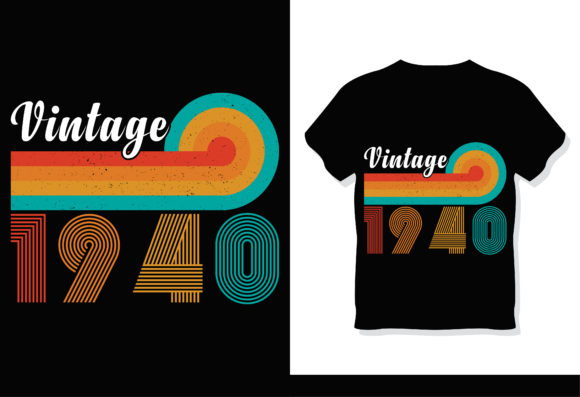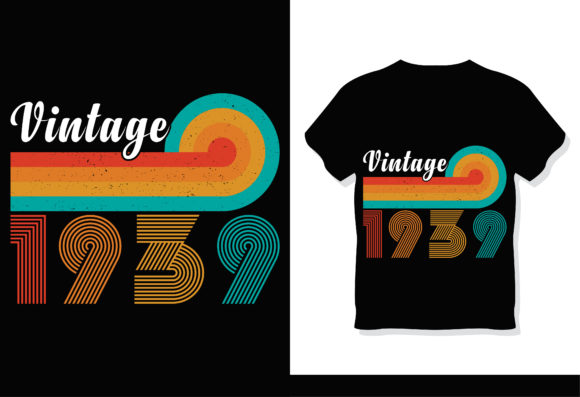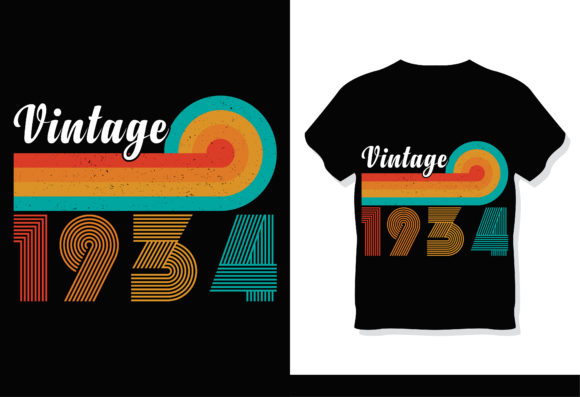
Retro Vintage 1933 T-Shirt Design Review
When I first opened the Retro Vintage 1933 T-Shirt Design, my immediate reaction was a sense of nostalgia mixed with practical curiosity. As someone who has spent years evaluating digital assets for real-world embroidery projects, I don't just look at the visual appeal; I look at how it translates from a screen to a needle and thread. This piece fits squarely into the Print Templates and Graphics category, but its potential extends far beyond a simple image file. It carries a specific mood—one that suggests history, durability, and a classic aesthetic that resonates deeply with today's handmade market.
The First Impression: Mood and Visual Personality
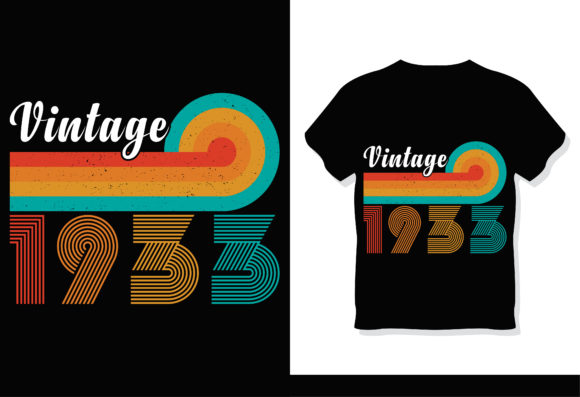
The design exudes a warm, vintage charm that feels authentic rather than forced. The typography and layout suggest a mid-20th-century era, likely appealing to customers who value craftsmanship and timeless style. For an embroidery designer, the initial assessment is about clarity. Does the design have enough definition to hold up after stitching? The Retro Vintage 1933 T-Shirt Design appears to strike a balance between detail and simplicity. It doesn't scream for attention with chaotic elements; instead, it offers a grounded, confident look that works well on various surfaces.
This visual personality makes it an ideal candidate for brands or individuals looking to create products that feel established and trustworthy. Whether you are a boutique owner or a hobbyist maker, this design provides a solid foundation for building a cohesive brand identity. It feels like something you would see on a high-quality, heritage-style garment in a curated shop, rather than a mass-produced item found in a big-box store.
Real-World Application: From Screen to Stitch
I recently put the Retro Vintage 1933 T-Shirt Design through a rigorous test scenario to see how it performs in actual production. My goal was to create a custom embroidered tote bag for a local artisan market. I wanted to see if the design could withstand the rigors of frequent use while maintaining its visual integrity.
The process began with selecting the right fabric. I chose a sturdy canvas material, which is standard for durable tote bags. When I loaded the embroidery file into the machine, the first thing I noticed was the layout. The design scales beautifully, allowing me to adjust the hoop size without losing the essence of the vintage theme. The stitch density seemed appropriate for a heavy-duty project, ensuring that the threads wouldn't pull apart under stress.
During the stitching phase, I monitored the satin stitch and fill stitch areas closely. The design held its shape well against the textured canvas. Once completed, the finished product looked professional and polished. Customers at the craft fair immediately gravitated toward the bag, noting the "cool retro vibe." It proved that the Retro Vintage 1933 T-Shirt Design isn't just a pretty picture; it's a functional asset that adds tangible value to a handmade product.
Versatility Across Products
Beyond the tote bag, this design proves remarkably versatile. Its clean lines and classic theme make it suitable for a wide range of applications:
- Custom Apparel: It shines on sweatshirts and t-shirts, offering a nostalgic look that pairs perfectly with denim jackets or hoodies.
- Home Decor: Imagine this design embroidered on a kitchen towel or a pillow cover. The vintage year adds a unique focal point to any room.
- Accessories: Small items like caps, hats, and aprons benefit from the compact yet impactful nature of the graphic.
- Gifts: As a personalized gift, the design offers a sense of occasion. It works wonderfully for holiday gifts, wedding favors, or baby showers where a touch of history is appreciated.
For Etsy sellers and small shop owners, this versatility is a goldmine. You can create a collection of matching items—a mug, a tote, and a sweatshirt—all featuring the same cohesive design language. This consistency builds customer trust and elevates the perceived quality of your craft business.
Where to Exercise Caution
While the Retro Vintage 1933 T-Shirt Design is robust, no single design is perfect for every situation. There are specific scenarios where caution is required to ensure a successful outcome.
First, consider the stitch density. If you attempt to use this design on very small hoop sizes or tiny items like buttons or patches, you might run into issues with crowded details. Fine lines can sometimes get lost when stitched too tightly together, especially if the thread count is low. Always review the small details before committing to a final run.
Fabric choice is equally critical. Textured fabrics, thin materials, or highly stretchy knits can distort the design. On stretchy fabrics, the tension of the stitches might cause puckering, ruining the crisp vintage look. Similarly, dark fabrics require careful consideration of thread colors. If the contrast isn't high enough, the design will disappear into the background. I recommend testing the design on scrap fabric first to check how the thread colors interact with the specific material you plan to use.
Additionally, curved surfaces like caps present a challenge. While the design is adaptable, the curvature of a hat can alter the perception of the text and graphics. You may need to adjust the placement or use specialized stabilizers to maintain the intended shape.
Practical Designer Notes for Success
To get the most out of the Retro Vintage 1933 T-Shirt Design, here are some essential tips for any serious embroidery project:
- Test Before You Sell: Never skip the test run. Stitch the design on a scrap piece of the exact fabric you intend to use. This helps you identify potential issues with stabilizer selection or thread tension.
- Check Licensing: If you plan to sell finished products or distribute the digital embroidery file, verify the licensing terms. Ensure you have the rights for commercial use to avoid legal complications.
- Mockups Matter: Create black and white mockups to see how the design holds up without color distractions. This helps you judge the form and structure of the applique design or stitch work independently of the color palette.
- Optimize for Washability: Since this design is often used on items that will be washed frequently, ensure the stitching is secure. Dense fill stitches can sometimes trap lint, so regular maintenance of the machine and proper cleaning of the fabric are necessary.
- Compare Backgrounds: Test the design on both light and dark backgrounds. A vintage design might look different depending on whether it is surrounded by cream or charcoal, affecting the overall visual appeal.
Final Thoughts on Value and Engagement
In conclusion, the Retro Vintage 1933 T-Shirt Design is more than just a graphic; it is a tool for creative entrepreneurs. It bridges the gap between digital convenience and tactile artistry. By using this design thoughtfully, you can create products that not only look great but also tell a story.
Whether you are designing for a commercial embroidery client or creating unique items for your own handmade product line, this asset offers a reliable starting point. It enhances brand consistency, boosts buyer engagement, and adds a layer of professionalism to your work. Just remember to respect the limitations of the medium—test your setup, choose your materials wisely, and let the vintage charm shine through in your finished product.
For those looking to expand their inventory with design assets that have genuine character, this graphics package is a worthy addition. It invites creativity, encourages experimentation, and delivers results that resonate with modern audiences seeking authenticity. Happy stitching!