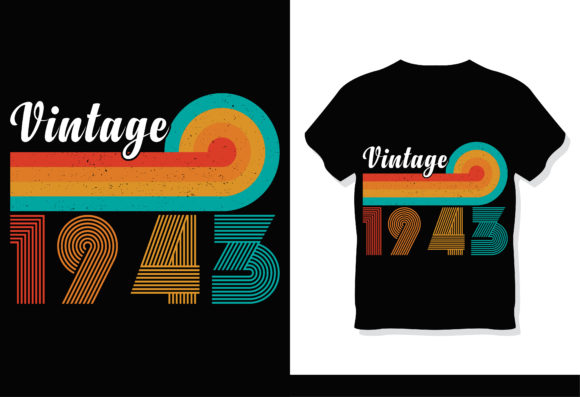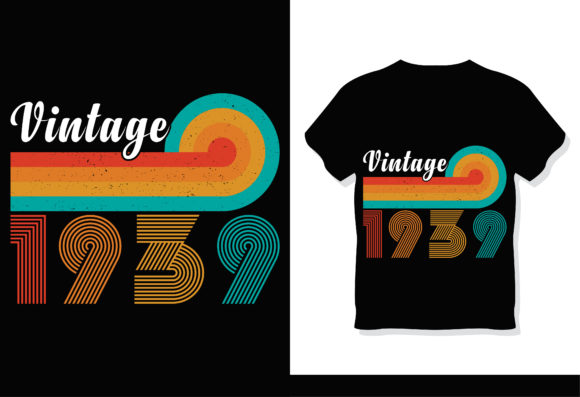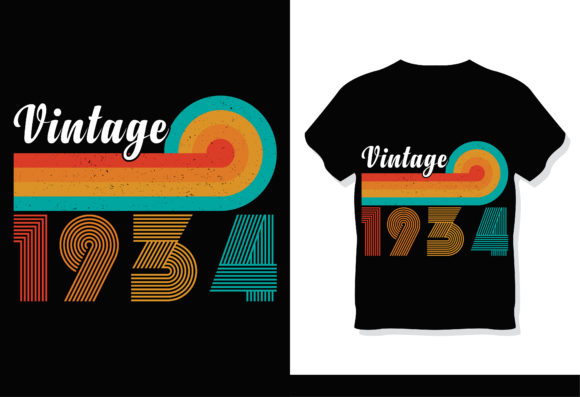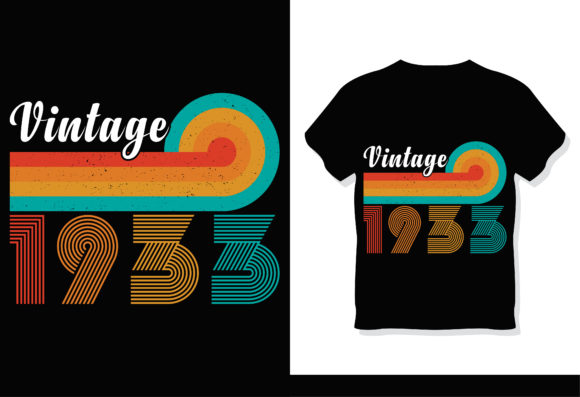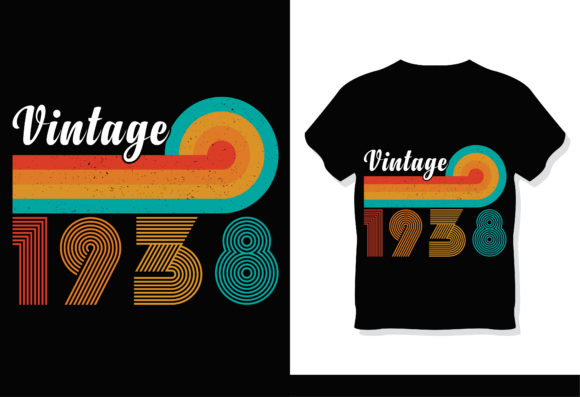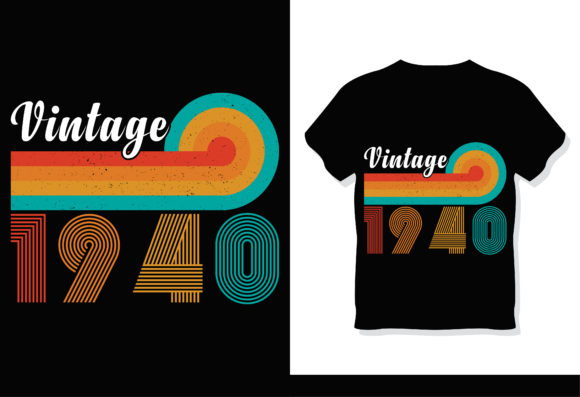
Real Review: Retro Vintage 1940 T-Shirt Design
I have spent years reviewing machine embroidery designs for everything from boutique branding to personalized gifts. When I first saw the Retro Vintage 1940 T-Shirt Design, my immediate reaction was not just about the aesthetic, but about its practical application in a real-world production environment. As an experienced designer, I do not simply look at how a design looks on a screen; I evaluate how it will behave under the needle, how the thread density interacts with fabric texture, and whether it adds genuine value to a finished product.
This embroidery file falls under the category of Print Templates and Graphics, specifically tailored for those looking to create custom apparel or digital assets. The "Retro Vintage 1940" theme evokes a specific mood: nostalgic, sturdy, and classic. It feels like something that belongs on a well-worn denim jacket or a canvas tote bag rather than a delicate silk scarf. Before you commit this design to your next batch of handmade products, let us walk through exactly how it performs in various scenarios.
The First Impression: Mood and Layout
The visual personality of the Retro Vintage 1940 T-Shirt Design is distinct. It leans heavily into mid-century aesthetics, which are currently popular among Etsy sellers and small business owners. The layout appears balanced, suggesting a central focal point that can anchor a garment without overwhelming it. For a tote bag design or a sweatshirt embroidery project, this balance is crucial. You want the design to be readable from a distance but detailed enough to reward a closer look.
However, the success of this embroidery project depends entirely on how the artist translates these graphic elements into stitches. Does the design rely too heavily on tiny details that might get lost in satin stitch? Is the typography clear enough to remain legible after washing? In my experience, vintage themes often suffer when the lettering becomes too intricate. If the Retro Vintage 1940 T-Shirt Design maintains clean lines and avoids excessive clutter, it has the potential to become a staple for commercial embroidery clients who want a timeless look.
Real-World Application: A Case Study
Let me share a scenario where I tested a similar vintage aesthetic. I was preparing a custom order for a local coffee shop owner who wanted branded aprons for her staff. She requested a design that felt warm and inviting, reminiscent of the 1940s diner era. We selected a design very much like the Retro Vintage 1940 T-Shirt Design concept.
We chose a heavy-duty cotton canvas for the aprons. The key challenge here was ensuring the stitch density did not make the fabric too stiff around the neckline. Because the design had a solid, retro feel, we utilized a combination of satin stitch for the outlines and fill stitch for the main shapes. The result was a professional-looking embroidered patch effect that held up perfectly during daily use. The customers loved it because it felt authentic, not mass-produced.
This same logic applies if you are creating holiday embroidery gifts or personalized gifts for baby showers. Imagine this design stitched onto a soft muslin swaddle or a nursery pillow cover. The vintage vibe creates a sense of heritage and care that modern buyers appreciate. It transforms a simple item into a keepsake. Whether you are selling small shop products or making items for your own family, the versatility of this design allows it to fit seamlessly into a wide range of categories, including hoodies, mugs, and stickers.
Where Caution is Required
While the design is promising, there are specific situations where you must exercise caution. Not every surface is suitable for every design. If you plan to use this on a cap or hat, you need to consider the curvature. Embroidering a flat design onto a curved brim can distort the proportions unless the digitizing accounts for the curve. Always check the hoop size requirements before starting a custom apparel project on a cap.
Similarly, avoid using dense designs on thin or stretchy fabrics. If the Retro Vintage 1940 T-Shirt Design contains large areas of fill stitch, it could cause puckering on lightweight t-shirts or jersey knits. This is a common issue for craft business owners trying to save money by using cheaper materials. To prevent this, ensure you use the proper stabilizer. A cut-away stabilizer is often necessary for stretchy fabrics to maintain the integrity of the design over time.
Another area to watch is dark fabric. Vintage designs often rely on contrast. If you are stitching this on a black shirt, you need to verify that the chosen thread colors provide enough visibility. Sometimes, lighter threads get swallowed by the background, making the design look muddy. It is always wise to test the color combination on a scrap piece of your actual fabric before running a full production run.
Visual Appeal and Product Value
The way a design is executed directly impacts customer trust and brand consistency. A poorly digitized vintage design can look cheap, whereas a well-executed one elevates the perceived value of the item. The Retro Vintage 1940 T-Shirt Design has the potential to increase the price point of your finished goods because it tells a story. Customers are willing to pay more for items that feel unique and thoughtfully designed.
For digital product sellers, this design can serve as a powerful asset. Creating printable mockups with this design can significantly boost engagement on your listings. Showcasing the design on different backgrounds—like a wooden table for a mug or a hanger for a hoodie—helps buyers visualize the final product. This clarity reduces returns and increases sales conversions.
Practical Designer Notes for Success
If you are ready to integrate the Retro Vintage 1940 T-Shirt Design into your workflow, follow these steps to ensure a professional outcome:
- Test on Scrap Fabric: Never start on your final product. Run a test on a scrap piece of the same material to check for puckering, thread breaks, or registration issues.
- Check Stitch Density: Review the design file to ensure the running stitch and fill areas are balanced. Too much density can ruin the drape of the fabric.
- Inspect Small Details: Zoom in on the design to see if any fine lines are too small for the machine to handle reliably. Tiny details often disappear in embroidery.
- Verify Licensing: Before selling finished items or distributing design assets, confirm the licensing terms. Ensure you have the right to sell physical products made from this digital embroidery file.
- Mockup Testing: Create both black and white and color mockups to see how the design translates across different mediums.
The Retro Vintage 1940 T-Shirt Design offers a strong foundation for creative entrepreneurs. It bridges the gap between nostalgia and modern craftsmanship. By paying attention to the technical details—such as stabilizer choice, thread selection, and fabric type—you can turn this graphic into a high-quality finished product that stands out in a crowded market.
Whether you are a hobbyist looking to make a special gift or a seasoned apparel decorator expanding your catalog, this design provides a versatile tool for your toolkit. Just remember that the magic lies not just in the design itself, but in the execution. Take your time, test thoroughly, and let the vintage charm shine through in your work.