Ornament Retro Mandala Design Review
As a designer who spends more time at the embroidery machine than in front of a spreadsheet, I approach every new download with a mix of excitement and skepticism. We have all been there: clicking "buy" on a pretty image only to find out later that the stitch density is too high for the fabric or the detail gets lost in the thread. Today, I am putting Ornament Retro Mandala Design through its paces to see if it truly holds up when moved from a digital screen to a real-world textile project.
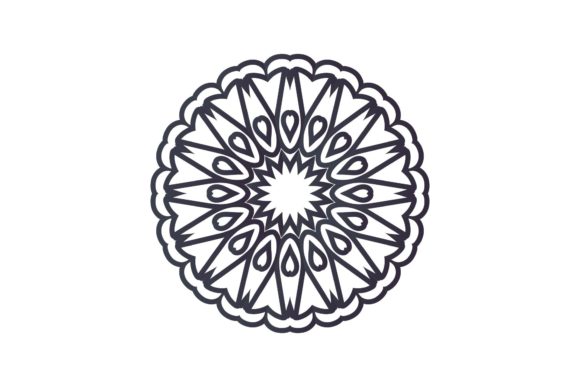
The first thing you notice about this piece is its mood. It isn't just a generic geometric pattern; it carries a distinct retro vibe that feels both nostalgic and modern. When I opened the files, the layout immediately suggested versatility. It is not merely an icon or a simple graphic; it is a substantial design asset that demands attention. The symmetry of the mandala creates a natural focal point, which is exactly what you want when you are trying to elevate a basic item into something special. For those of us selling handmade goods, that initial visual impact is often the difference between a casual purchase and a coveted boutique item.
From Screen to Stitch: A Real Project Scenario
To give you a practical perspective, let's imagine a specific scenario. I was preparing a custom order for a client who wanted a personalized gift set for a baby shower. The request was for a soft sweatshirt paired with a matching canvas tote bag. The client loved the idea of a "retro nursery" theme but didn't want anything too childish or cluttered. This is where Ornament Retro Mandala Design became the perfect candidate.
I decided to test the design on a heather grey cotton blend sweatshirt first. The goal was to see how the intricate lines would translate into thread without overwhelming the garment. Because the design features balanced symmetry, it sits beautifully in the center of a chest area or down the back of a hoodie. However, the decision wasn't just about placement; it was about execution. I had to consider the thread colors carefully. A standard black outline might look harsh against the retro aesthetic, so I opted for a muted gold or sage green thread to keep the vintage feel intact. The result was stunning. The mandala didn't look like a flat sticker; it had texture and depth, proving that the underlying structure of the design supports complex stitching techniques.
Next, I moved to the tote bag. Here, the challenge shifts slightly. Canvas is a sturdy fabric, but it can be unforgiving if the stabilizer isn't chosen correctly. The Ornament Retro Mandala Design held up well here because the central motif is robust. It doesn't rely on tiny, wispy details that could easily snag or break during the wash cycle. For an Etsy seller or a craft fair vendor, this reliability is crucial. You don't want a customer returning a product because the embroidery unraveled after one wash. The design's balance of open space and filled areas allows for excellent breathability in the stitching, preventing the fabric from becoming too stiff or board-like.
Navigating Technical Challenges and Fabric Choices
While the design is strong, no single file works perfectly on every surface. As an experienced reviewer, I need to highlight where Ornament Retro Mandala Design requires caution. If you are working with small hoop sizes, such as those used for caps or hat brims, you must be strategic. The full mandala might be too wide for a 4x4 hoop, requiring you to crop the design or resize it significantly. If you resize it too much, you risk losing the delicate corners that give the design its character.
Texture is another factor to watch. While the design looks great on smooth cottons and stable canvas, applying it to highly textured fabrics like bouclé or heavy waffle weaves can be tricky. The needle may struggle to penetrate thick loops, leading to skipped stitches or uneven tension. Similarly, if you are working with stretchy knits, you will need to use a heavy-duty stabilizer to prevent the design from distorting over time. The retro style implies a certain durability, so the finished product should reflect that strength.
Dense stitch areas are also worth noting. If your machine settings are too aggressive, the fill stitches in the center of the mandala could become so thick that they create a hard lump on the fabric. This is particularly important for baby clothing or items meant for sensitive skin. Always check your stitch density before running a full production batch. If the design feels too stiff, consider reducing the fill percentage or switching to a combination of satin and running stitches to soften the finish.
Why This Design Elevates Your Brand
For creative entrepreneurs and small shop owners, the visual appeal of your work directly impacts customer trust. A poorly executed design can make even the best product look cheap. Ornament Retro Mandala Design, when stitched correctly, adds a layer of professionalism and intentionality to your brand. It signals to the buyer that you care about details and quality. Whether you are creating holiday gifts, wedding favors, or boutique branding materials, this design offers a timeless aesthetic that resonates with buyers looking for something unique yet familiar.
The availability of multiple formats, including AI, EPS, SVG, JPG, and PNG, makes it incredibly versatile for your workflow. You can easily edit the vector files to adjust colors or scale the design for different products, from large pillow covers to small embroidered patches. This flexibility is essential for designers who need to adapt assets quickly for various commercial projects. It allows you to create cohesive collections, ensuring that your tote bags, aprons, and kitchen towels all share a unified visual language.
Essential Notes for the Embroidery Designer
Before you start stitching, there are a few practical steps every designer should take to ensure success. First, always test the design on scrap fabric that matches your final material. This gives you a chance to troubleshoot any issues with thread tension or stabilizer selection without risking your inventory. Second, review the stitch density. If the design includes areas of heavy fill, consider adjusting the underlay or using a cutaway stabilizer to support the weight of the thread.
Don't forget to inspect the small details. Zoom in on the digital file and then look closely at the stitched sample. Are the tiny points sharp? Do the curves flow smoothly? If you plan to sell these items commercially, checking the licensing terms is non-negotiable. Ensure that your purchase allows for end-product sales, especially if you are producing items for mass market or limited edition runs. Finally, compare light and dark fabric backgrounds in your mockups. Sometimes a design that pops on white loses its impact on navy or black, so having the ability to preview the design in different colorways is a huge advantage.
In conclusion, Ornament Retro Mandala Design is more than just a pretty graphic; it is a functional tool for serious makers. Its retro charm combined with a solid structural foundation makes it ideal for everything from personalized gifts to high-end boutique merchandise. By paying attention to fabric choice, stabilizer needs, and stitch density, you can transform this digital file into a finished product that delights customers and strengthens your brand reputation. It is a design that respects the craft of embroidery while offering endless possibilities for creativity.