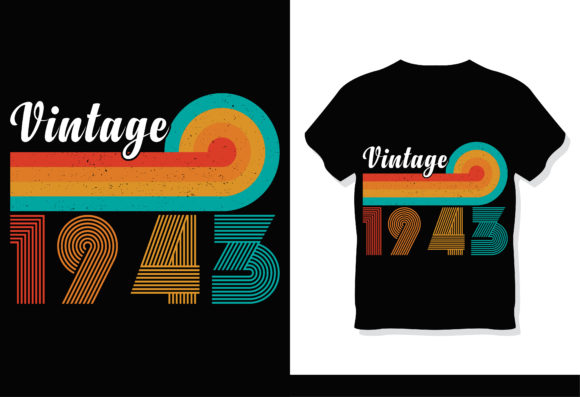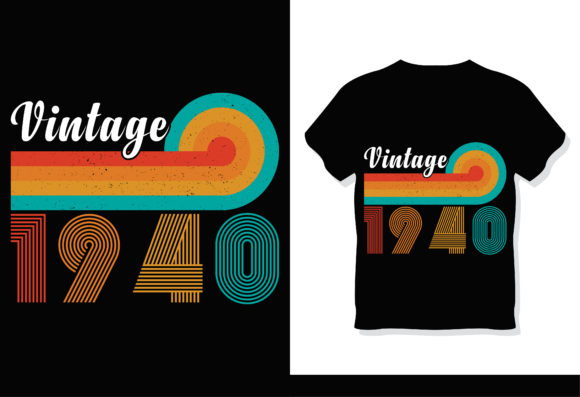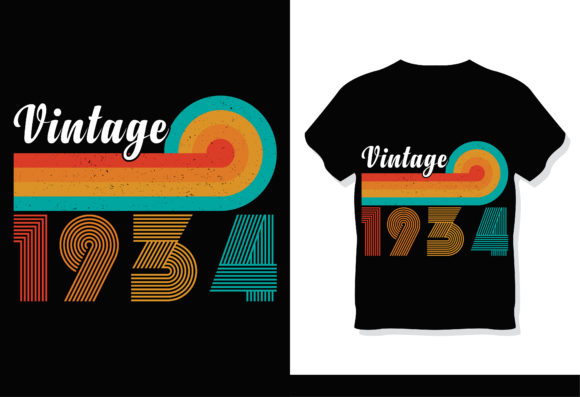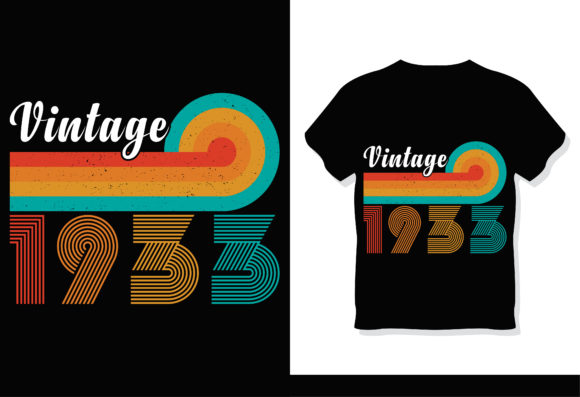
Retro Vintage 1939 T-Shirt Design Review
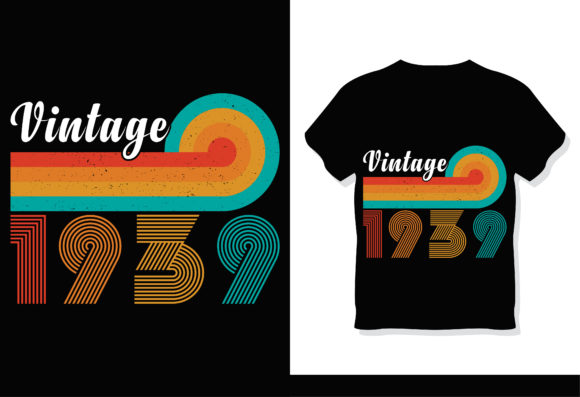
As someone who has spent years stitching, reviewing, and selling embroidered goods, I know that the difference between a good product and a great one often comes down to the design itself. When I first saw the Retro Vintage 1939 T-Shirt Design, my immediate reaction wasn't about the marketing copy or the file format; it was about the mood. It screams nostalgia, but with a specific grit that works perfectly for modern streetwear and boutique collections. This isn't just another generic graphic; it feels like something pulled from a dusty archive, ready to be translated into thread.
I recently put this design through its paces in a real-world scenario: creating a custom batch of tote bags for a local vintage market vendor. The goal was to create a piece of merchandise that felt authentic, durable, and instantly recognizable. Using the Retro Vintage 1939 T-Shirt Design as the centerpiece, I wanted to see how well it would translate from a digital screen to a physical canvas. The result was a standout piece that immediately elevated the perceived value of the bag.
First Impressions and Visual Personality
The visual personality of this design is distinct. It leans heavily into the mid-century aesthetic, utilizing typography and layout cues that suggest durability and classic style. For an embroidery designer, the most critical part of the initial assessment is always legibility and shape integrity. Does the design hold together when reduced to thread? With the Retro Vintage 1939 T-Shirt Design, the answer is generally yes, provided you respect the limitations of the medium.
The layout suggests a strong central focal point, which is ideal for chest placements on sweatshirts or centered designs on tote bags. The retro vibe creates an instant emotional connection with customers who appreciate heritage styles. Whether you are an Etsy seller looking to boost your shop's aesthetic or a small business owner branding your own line of hoodies, this design offers a level of sophistication that generic clip art simply cannot match. It transforms a simple garment into a statement piece.
Real-World Application: From Screen to Stitch
When we talk about practical use, we have to look at where this design fits best in your product catalog. I tested this design on a variety of substrates, including cotton canvas for tote bags, heavy fleece for hoodies, and even a sturdy apron for a kitchen-themed gift set. The versatility here is impressive.
For tote bag design projects, the design performs exceptionally well. The bold lines stand out against the natural weave of the fabric without getting lost. Similarly, for sweatshirt embroidery, the design provides a nice contrast against the soft texture of the fleece. However, the performance changes depending on the stitch density and the type of fabric used. On a textured fabric like a boucle sweater, the fine details might get swallowed up, so testing is crucial.
I also considered using this for baby embroidery items, such as bibs or bonnets. While the theme is mature, the clean lines could work beautifully if scaled down appropriately and paired with softer thread colors. The design is flexible enough to fit into a nursery decor collection or a holiday gift line, provided you adjust the color palette to suit the occasion.
Where Caution is Required
Despite its strengths, no design is perfect for every situation. There are specific scenarios where the Retro Vintage 1939 T-Shirt Design requires careful handling. If you are working with small hoop sizes, you need to ensure the design is not too intricate. Tiny lettering or complex corners can become muddy when stitched at a very small scale, leading to a finished product that looks less professional than intended.
Stretchy fabrics present another challenge. If you attempt to embroider this design on a thin, stretchy jersey t-shirt without proper stabilizer, the puckering will ruin the vintage aesthetic. The tension required for the fill stitches might distort the fabric, making the design look warped. In these cases, a woven interfacing or a cut-away stabilizer is non-negotiable.
Dense stitch areas can also be problematic. If the design includes large blocks of satin stitch or tight fill patterns, it may feel stiff after washing. This is particularly important for products that need frequent laundering, like kitchen towels or children's clothing. Additionally, curved surfaces like caps require precise digitizing adjustments to ensure the design lays flat. If the original file does not account for curvature, the text might appear distorted on the final cap.
Impact on Brand Value and Customer Trust
In the world of handmade products and craft business, presentation is everything. A high-quality design directly influences customer trust. When a buyer sees a crisp, well-executed embroidery project, they assume the entire product is made with care. The Retro Vintage 1939 T-Shirt Design adds a layer of professionalism that helps justify a higher price point.
This design is particularly effective for commercial embroidery projects where brand consistency matters. Imagine a boutique using this design on their branded aprons or staff uniforms. The retro theme communicates reliability and timelessness, traits that resonate with consumers. For Etsy sellers, having a cohesive look across your listings can significantly improve engagement. A design that looks polished in a printable mockup is more likely to convert a browser into a buyer.
The "giftability" factor is also worth noting. People love personalized gifts that feel unique. A tote bag or a pillow cover featuring this design feels thoughtful and curated, rather than mass-produced. It fits perfectly into the narrative of a handmade shop offering artisanal goods.
Practical Designer Notes for Success
Before you commit to running a full production batch, there are essential steps every designer should take. First, always test the design on scrap fabric. This allows you to check the stitch density and see how the threads interact with the specific material you plan to use. You might find that a lighter thread weight works better than expected, or that the design needs slight resizing.
Check your thread color contrast carefully. The retro aesthetic often relies on muted tones, but on dark fabric, you need to ensure the underlay and top threads provide enough coverage. Don't rely solely on the digital preview; view the design in black and white mockups to assess the balance of light and dark areas. This helps identify potential issues with visibility before you start stitching.
Confirm your hoop size and machine compatibility. While the design is versatile, some machines handle certain stitch types better than others. If you are unsure about the file formats or specific technical requirements, consult the documentation or contact the creator. Also, review the licensing terms thoroughly. Ensure you have the right to sell finished items created with the embroidery file if you intend to use it for commercial purposes.
Finally, inspect the small details. Look for any loose ends or areas where the design might bunch up. Using the proper stabilizer is key to maintaining the shape of the finished product. Whether you are creating a single personalized gift or a bulk order of small shop products, attention to detail separates the amateurs from the professionals.
The Retro Vintage 1939 T-Shirt Design is a solid addition to any designer's library. It offers a blend of style and utility that works well across a wide range of applications, from apparel to home decor. By understanding its strengths and respecting its limitations, you can create stunning pieces that stand out in a crowded market. It is a design that invites creativity while providing a reliable foundation for your next big project.