Vintage Retro Beach Handball Design Review
As a designer who spends hours evaluating digital assets before they ever hit the hoop, I recently put the Vintage Retro Beach Handball Design through its paces. It sits in the Graphics and Print Templates category, but for us embroiderers, it is about much more than just a file format. The question isn't just whether the lines are clean; it is whether this design holds up under tension, looks good on textured fabric, and actually sells as a finished product. After analyzing the layout and thinking through how it translates from a screen to a stitched piece of apparel, here is my practical assessment.
The First Impression: Mood and Visual Personality
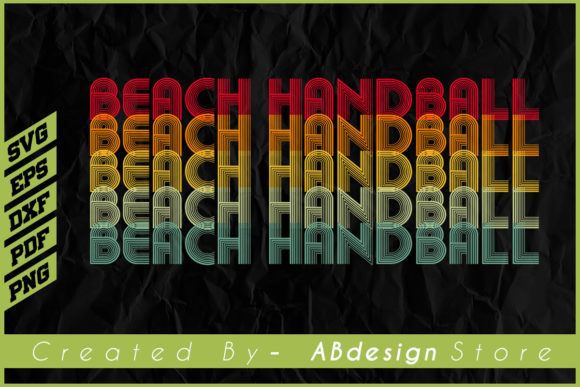
The moment you look at the Vintage Retro Beach Handball Design, it screams nostalgia. There is a specific warmth to retro aesthetics that modern, crisp vector art often lacks. This design captures that vibe perfectly, likely utilizing bold outlines and a color palette that feels pulled from a 1970s surf shop poster. For an embroidery project, this mood is crucial because it sets the tone for the entire garment or accessory. It doesn't feel like a generic sports clipart; it feels curated.
The composition suggests a balance between action and style. In embroidery, we worry about "stitchability," and this design appears to have a layout that avoids clutter. A busy design with too many tiny details often gets lost when stitched, turning into a muddy blob. However, the retro style usually relies on solid shapes rather than intricate line work, which is a green light for machine embroidery. It promises a high-contrast finished product that will read clearly even from a distance, making it excellent for custom apparel where brand recognition matters.
Real-World Application: From Screen to Stitch
To truly judge a design, you have to imagine it on a physical object. Let's say you are an Etsy seller preparing a batch of custom embroidered tote bags for a summer craft fair. You want something that stands out on a canvas bag without looking cheap. The Vintage Retro Beach Handball Design fits this scenario naturally. The theme aligns perfectly with beach culture, making it ideal for tote bags, aprons, or kitchen towels intended for a summer collection.
Imagine stitching this onto a heather grey sweatshirt for a boutique client. The retro aesthetic pairs beautifully with vintage-wash fabrics. If you were creating personalized gifts for a sailing club or a beach handball tournament, this design offers immediate thematic relevance. It transforms a standard item into a statement piece. The visual appeal of the design elevates the perceived value of the handmade product. Customers aren't just buying a shirt; they are buying a piece of retro-inspired lifestyle branding.
Furthermore, consider the versatility for small business merchandise. If you are producing embroidered patches for jackets or caps, the strong shapes of this design would hold their integrity well. The design works as a standalone graphic or as part of a larger set of print templates. Whether you are creating holiday gifts or wedding favors with a nautical theme, this asset provides a professional foundation that saves time on digitizing from scratch.
Where to Use It (and Where to Pause)
While the design is versatile, every embroiderer knows that not all surfaces are created equal. The Vintage Retro Beach Handball Design requires careful consideration regarding fabric texture and stitch density. On stretchy fabrics like thin jersey t-shirts, you must be cautious. Without proper stabilizer and a balanced stitch count, the design might pucker, ruining the clean lines that make it so appealing.
Similarly, if you are working with dark fabric, thread color contrast becomes your biggest challenge. The retro style likely relies on specific highlights to pop. If you choose thread colors that blend too closely with the background, the design loses its definition. Always test the colorway on scrap fabric first. Additionally, avoid using this on extremely small hoop sizes. While the design looks great on a chest pocket or a large tote, shrinking it down to fit a tiny baby hat or a cap brim might result in the loss of essential details. Tiny lettering or fine decorative accents can become illegible when compressed.
Curved surfaces like caps also demand attention. The way the design lays flat on a pillow cover does not guarantee it will drape correctly over a curved visor. If you plan to use this for commercial embroidery projects involving hats, ensure the digitization accounts for the curvature of the form. Dense stitch areas should be monitored to prevent the fabric from becoming stiff or unwearable. A heavy fill stitch can turn a soft cotton tee into a board, which is rarely what the customer wants.
Design Notes for the Practical Designer
Before you load this into your machine, there are technical steps you must take to ensure success. First, review the stitch density. If the design is too dense, it may cause needle deflection or fabric distortion. Check the file formats provided—SVG, EPS, PNG, DXF, PDF—to ensure they match your workflow. Since this is a digital download only, verify the resolution of the PNG files if you intend to create printable mockups for your online store. A low-resolution preview image can hurt your sales conversion rate.
Confirm your hoop size and stabilizer choice. For a design of this nature, a cut-away stabilizer is often recommended to maintain shape stability, especially on woven fabrics like canvas or denim. If you are using this for applique design elements, check if the layers are separated correctly in the source file. Running stitch sections should be inspected for length; too long, and they may snag; too short, and the fabric gathers.
Test the design in black and white mockups to see how the values interact. This helps you visualize the final product regardless of the thread colors you eventually select. Compare light and dark fabric backgrounds to ensure the design maintains its personality in both scenarios. Finally, always inspect small details. Does the ball look round? Are the lines sharp? These micro-details define the difference between a hobbyist project and a professional commercial embroidery product.
Final Thoughts on Value and Trust
The Vintage Retro Beach Handball Design is more than just a pretty picture; it is a tool for building trust with your customers. When a handmade product features a well-executed, clear design, it signals professionalism. It shows that you care about the quality of the finished product. For craft business owners and makers, this distinction is vital. A sloppy stitch job can ruin a great design, but a great design can sometimes save a mediocre stitch job.
This asset is perfect for creative entrepreneurs looking to expand their inventory with niche items. Whether you are selling to sailing lovers or general beach enthusiasts, the retro theme has broad appeal. Just remember to respect the limitations of the medium. Use proper stabilizers, test on scraps, and confirm licensing terms before selling finished items. By treating the Vintage Retro Beach Handball Design with the same respect you give to any other critical design asset, you can create finished products that are not only beautiful but durable and profitable.