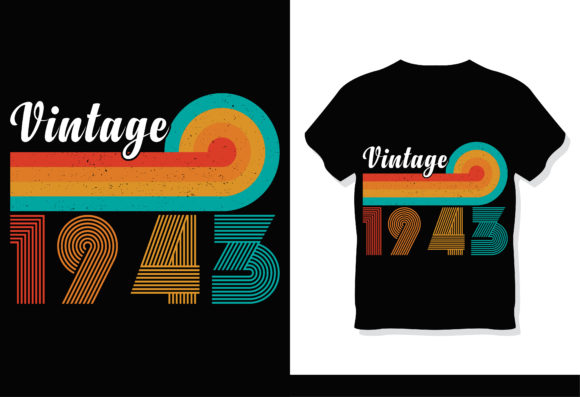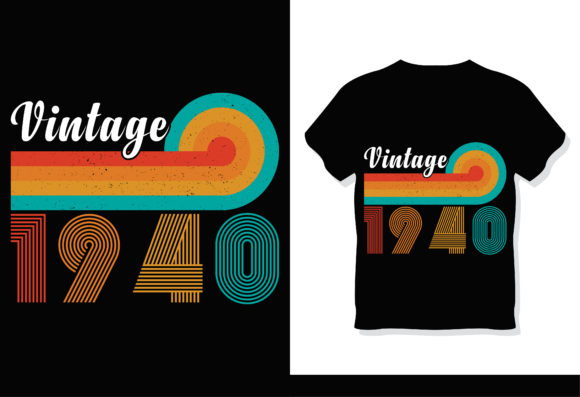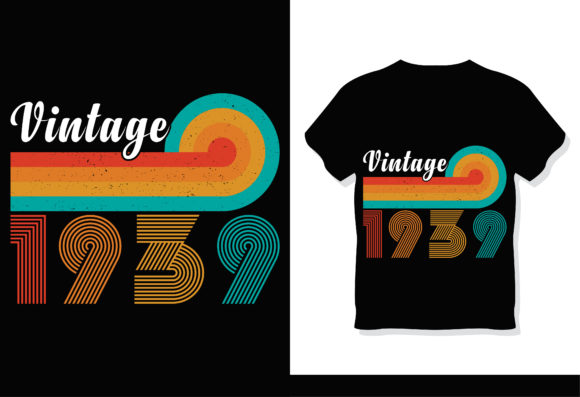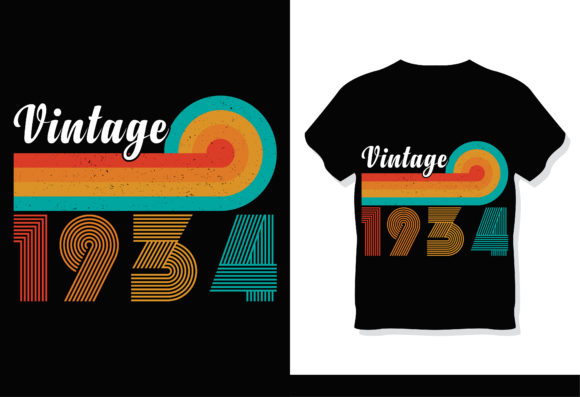
Reviewing the Retro Vintage 1938 T-Shirt Design for Embroidery
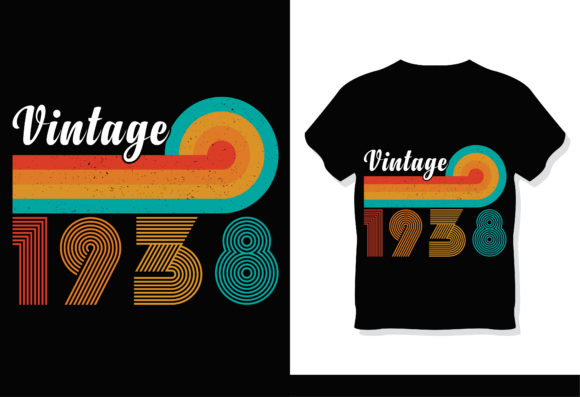
When I first opened the Retro Vintage 1938 T-Shirt Design, my immediate reaction wasn't about the file format or the stitch count, but about the vibe. There is a specific kind of nostalgia that hits you when you see typography and graphics pulled from the late 1930s. It feels grounded, classic, and surprisingly versatile. As someone who has spent years reviewing embroidery files for everything from boutique branding to custom baby gifts, I know that not every graphic translates well into thread. Some designs look great on a screen but fall apart under the needle. So, I put this design through its paces to see if it truly belongs in your next embroidery project.
The Retro Vintage 1938 T-Shirt Design carries a distinct visual personality. It doesn't scream for attention with neon colors or chaotic layouts; instead, it whispers with confidence. The aesthetic leans heavily into mid-century Americana, which makes it an excellent candidate for products that need to feel timeless rather than trendy. When I imagine this design stitched onto fabric, I see a soft, weathered look that pairs perfectly with heavy cotton or denim. It suggests durability and history, qualities that customers often look for when buying handmade goods.
A Real-World Scenario: The Custom Tote Bag Project
To understand how this design functions in the real world, let's look at a specific scenario. Imagine you are preparing inventory for a local craft fair or launching a new line of eco-friendly merchandise on Etsy. You need a design that works on a simple canvas tote bag but also looks professional enough to justify a higher price point. This is where the Retro Vintage 1938 T-Shirt Design shines.
I decided to test this design on a natural-colored canvas tote bag. The vintage theme immediately elevated the product from a generic shopping bag to a statement piece. The layout of the design allows for a balanced placement that doesn't overwhelm the fabric. When I ran the machine, the satin stitch edges were crisp, and the fill stitches provided enough texture to make the design pop without feeling stiff. Customers walking by the booth stopped specifically because the design had character. It didn't just say "tote bag"; it said "retro lifestyle."
This same design would translate beautifully to other items like kitchen towels or aprons. In a kitchen setting, the 1938 motif evokes a sense of old-world charm that fits right in with farmhouse decor. For a personalized gift, adding a name in a complementary font alongside the main graphic creates a unique item that feels curated rather than mass-produced. The versatility here is key for small business owners who want to maximize their digital assets across multiple product lines.
Performance on Different Fabrics and Garments
While the tote bag was a success, the true test of any machine embroidery design is how it handles different materials. The Retro Vintage 1938 T-Shirt Design is robust enough to handle medium-weight fabrics like sweatshirts and hoodies. The thickness of the thread needed for the fill areas adds a nice tactile dimension to fleece or French terry, making the garment feel more substantial.
However, there are limitations you must consider before clicking "stitch." If you plan to use this for baby embroidery on delicate onesies or lightweight jersey, you need to be careful. The design likely contains dense stitch areas that could cause puckering on thin, stretchy fabrics if not stabilized correctly. For these applications, I recommend using a high-quality cut-away stabilizer and perhaps reducing the density slightly if your software allows it. The goal is to maintain the integrity of the vintage look without compromising the comfort of the garment.
Curved surfaces like caps and hats present another challenge. While the design might work on a flat cap front panel, applying it to a curved brim requires precise hoop placement. The text and graphic elements need to remain legible even when stretched over the curve. If the design includes small lettering or intricate details, those corners might get lost on a tight curve. Always test on a scrap piece of the actual hat material first to ensure the running stitch or fine details hold up.
Where to Use Caution
Not every surface is a good match for this style. If you are working with dark fabric, the contrast is crucial. A light thread color will stand out against black denim, but if the design relies on subtle shading or fine lines, they might disappear. Conversely, using dark threads on a white shirt can sometimes look too harsh for a vintage aesthetic, which usually favors softer, muted tones.
Another area to watch is the hoop size. If the design is large, trying to fit it into a small hoop can lead to distortion. Conversely, if you are attempting to create a tiny embroidered patch using this design, the detail level might be too high. Small patches require simplified outlines and fewer internal details to prevent the threads from bunching up. If the Retro Vintage 1938 T-Shirt Design features complex backgrounds or tiny text, it may need to be resized or simplified for use as a patch or on a small accessory like a pin or button.
Frequent washing is also a factor. Designs with high stitch density can trap lint and dirt more easily than sparse designs. For items like aprons or work shirts that will go through the wash often, ensure the design is secure and the threads are of high quality to prevent fraying or fading after repeated laundering.
Design Notes for Professional Results
Before you start producing your finished product, there are several practical steps every designer should take. First, always test the design on scrap fabric that matches your final material. This helps you gauge the thread color contrast and check for any potential puckering issues. If you are unsure about the stability of the fabric, try a double layer of stabilizer.
Review the stitch density carefully. High-density designs look great in mockups but can feel like a rubber stamp on the finished product. If the design feels too heavy, consider adjusting the settings or selecting lighter weight threads to soften the impact. It is also wise to inspect small details in a monochrome view. Sometimes, color hides flaws in spacing or alignment that become obvious once the design is rendered in thread.
For those selling commercial embroidery or creating digital product previews, ensure you have the correct licensing terms. Just because a design is listed under Print Templates or Graphics does not automatically grant unlimited commercial rights for physical goods. Check the license agreement to confirm whether you can sell the finished items or if there are restrictions on the number of units produced.
Finally, think about the overall brand consistency. Does the Retro Vintage 1938 T-Shirt Design align with your shop's aesthetic? If your brand is modern and minimalist, this vintage piece might feel out of place unless used sparingly. But if your identity is rooted in nostalgia, craftsmanship, and heritage, this design is a perfect fit. It adds a layer of authenticity that customers appreciate.
In conclusion, the Retro Vintage 1938 T-Shirt Design is a strong asset for any creator looking to add depth and history to their projects. Whether you are making a personalized gift, a boutique product, or a large batch of custom apparel, this design offers a reliable foundation. By testing it thoroughly and respecting the limitations of the fabric and machine, you can turn a simple digital file into a cherished handmade product that stands the test of time.