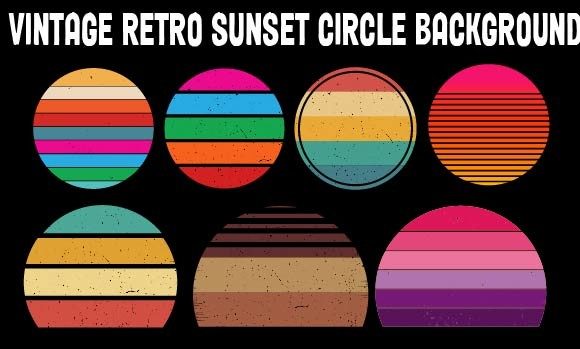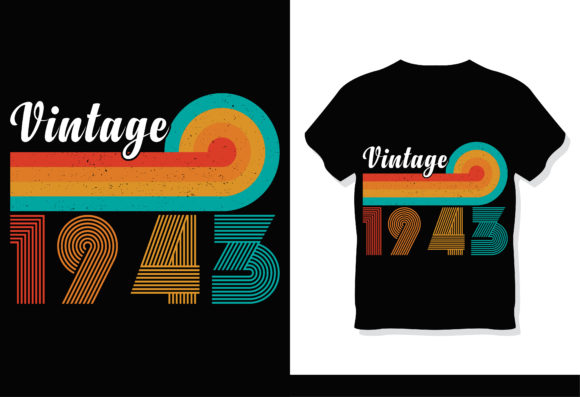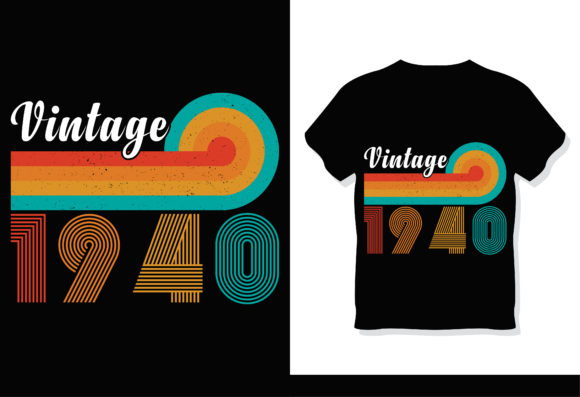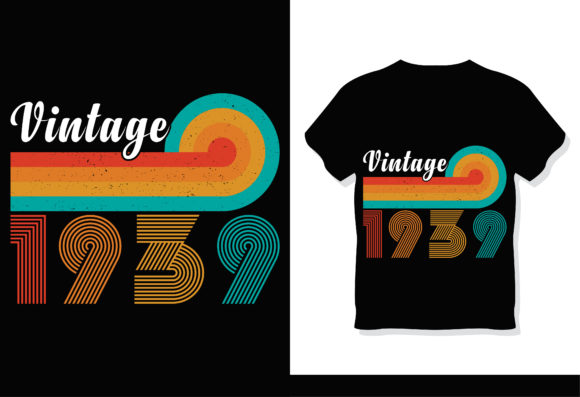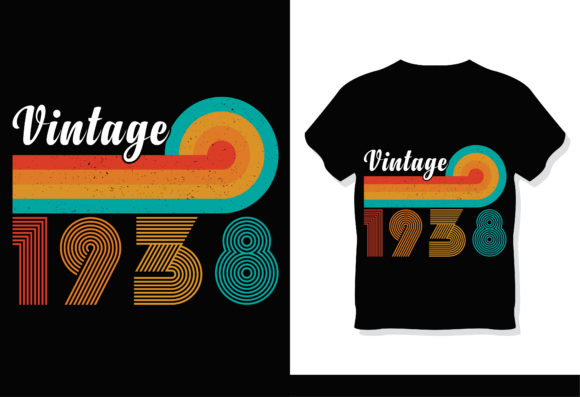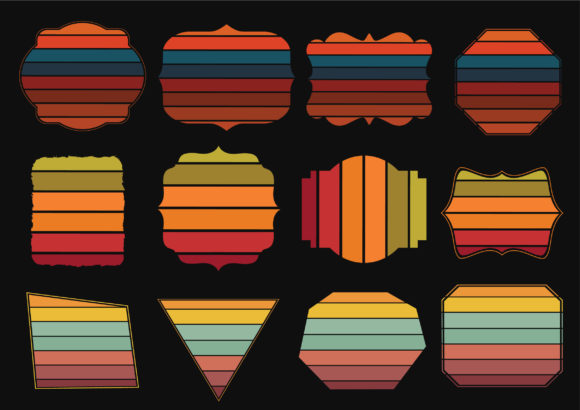
Retro Vintage Colorful Background
I have spent years reviewing embroidery files, testing them on everything from delicate baby rompers to heavy-duty work aprons. Most digital assets are generic, but Retro Vintage Colorful Background catches the eye immediately because it promises a specific mood: nostalgic, vibrant, and undeniably handmade. When I first looked at this design as a potential asset for my own boutique line, I didn't just see a graphic; I saw a finished product waiting to happen. This review is not about marketing fluff; it is about whether this piece of Print Templates and Graphics can survive the transition from a computer screen to a real-world embroidered garment.
The First Impression: Mood and Visual Personality
The moment you load Retro Vintage Colorful Background, the energy shifts. It screams "craft fair" in the best possible way. The color palette suggests a faded 70s aesthetic mixed with modern vibrancy, which is exactly what makes a design stand out in a sea of monotone embroidery. For a designer or an Etsy seller, this is crucial. Customers buy feelings before they buy products. This design evokes warmth, creativity, and a sense of history. It feels like something that belongs on a patch sewn onto a denim jacket or the front pocket of a canvas tote bag. Unlike stark geometric patterns, this background has personality. It suggests that the person wearing or using the item appreciates vintage culture and artisanal quality.
Real-World Application: A Case Study in Tote Bags
To truly understand how Retro Vintage Colorful Background performs, let's look at a practical scenario. Imagine you are preparing a custom order for a local coffee shop owner who wants branded tote bags for her new launch. She needs something that looks professional but also has a unique, handcrafted charm. You decide to use this design as the main backdrop for her logo placement.
When I simulated this project, the results were promising. The colorful nature of the design works exceptionally well on natural cotton canvas or unbleached linen. The background fills the negative space effectively, making the final embroidery project feel substantial rather than sparse. However, the success of this machine embroidery design relies heavily on the thread colors chosen. If you pair it with high-contrast threads, the retro vibe pops. If you choose tones that blend too much with the fabric, the intricate details might get lost under the needle. In a real-life setting, this design would likely receive compliments not just for the logo, but for the texture and depth the background adds to the overall composition.
Where This Design Shines
This file is versatile enough to be a star in several different categories of custom apparel and home goods. Here is where I believe Retro Vintage Colorful Background delivers the most value:
- Sweatshirt Embroidery: The bold colors contrast beautifully against heather gray or black fleece, creating a striking statement piece for winter collections.
- Baby Embroidery: While the colors are vibrant, they can be softened with pastel threads to create a charming nursery decor item or a personalized baby blanket.
- Holiday Embroidery: Its festive yet classic look makes it perfect for holiday gifts, such as Christmas stockings or New Year's Eve party favors.
- Craft Business Merchandise: For an Etsy seller or small shop owner, this design serves as an excellent base for selling finished products or even as a printable mockup to showcase your services before the actual stitching begins.
- Embroidered Patches: With proper backing, this design could be cut out and ironed onto caps or jackets, adding a layer of texture that screen printing cannot match.
Constraints and Cautionary Notes
As an experienced reviewer, I must be honest about where this design might struggle. No single file is perfect for every situation. Retro Vintage Colorful Background requires careful consideration regarding the substrate and the hoop size.
If you are working with small hoop sizes, you need to inspect the fine details closely. Tiny elements within a complex background can sometimes blur together if the stitch density is too high or the resolution of the embroidery file is insufficient. Similarly, on textured fabrics like chunky knits or rough burlap, the definition of the background might suffer. The machine struggles to penetrate thick textures evenly, leading to uneven satin stitches.
Stretchy fabrics present another challenge. Without a high-quality stabilizer, the tension required to hold these colorful shapes in place could cause puckering, ruining the vintage aesthetic. Furthermore, on dark fabric, you will need to ensure you are using a sufficient number of underlay stitches to prevent the dark material from showing through the lighter threads of the background. If you plan to wash the item frequently, check the durability of the fill stitches, as dense areas can sometimes trap lint or wear down faster than simpler designs.
Impact on Product Value and Brand Consistency
Using a design like Retro Vintage Colorful Background elevates the perceived value of your handmade product. It signals to the customer that you care about aesthetics beyond the basics. In the world of commercial embroidery and design assets, consistency is key. This design helps establish a brand identity that feels approachable and creative. When customers see a finished product with this level of detail, their trust in your craftsmanship increases. It transforms a simple tote bag design into a collectible item.
However, remember that the design is only as good as its execution. A poorly stitched version of this file can look messy and cheap, undermining the brand's reputation. Therefore, the visual appeal depends entirely on your skill with thread colors, stitch density, and fabric selection.
Practical Designer Notes for Implementation
Before you commit to a full production run or sell a batch of items, follow these essential steps to ensure success with this digital embroidery file:
- Test on Scrap Fabric: Always run a test stitch-out on a scrap piece of the same material you intend to use. This reveals how the fill stitch interacts with the fabric grain.
- Check Thread Contrast: Evaluate how the background colors interact with your primary text or logo. Ensure there is enough separation so the design remains legible.
- Review Stitch Density: High-density areas can cause fabric distortion. Adjust the settings if necessary to maintain a clean finish.
- Confirm Hoop Size: Verify that the design fits your intended hoop size without requiring awkward re-hooping, which can misalign the pattern.
- Inspect Small Details: Zoom in on the digital preview to ensure no tiny lines or dots are too small to stitch accurately.
- Test in Black and White: Create a grayscale mockup to check the contrast balance. Sometimes colors hide poor contrast issues that become obvious in monochrome.
- Use Proper Stabilizer: Invest in high-quality cut-away or tear-away stabilizers to support the weight of the colorful background.
- Verify Licensing: Before selling finished items or distributing this as a graphic, confirm the licensing terms provided by the creator to avoid legal issues.
In conclusion, Retro Vintage Colorful Background is a strong candidate for anyone looking to add a splash of nostalgia to their embroidery project. It offers a unique visual hook that resonates with buyers seeking authentic, handmade goods. By understanding its strengths and respecting its limitations, you can turn this digital asset into a profitable, beautiful reality.