Retro 80s Creative Pattern Review for Real Embroidery
When I first opened the Retro 80s Creative Pattern, my initial reaction was a mix of nostalgia and practical curiosity. As someone who has spent years turning digital files into tangible, stitched goods, I know that a beautiful image on a screen does not always translate to a high-quality embroidered product. The file description promises a blend of art deco, modernism, and vintage aesthetics, but the real test happens when the needle hits the fabric. This review is not just about whether the design looks cool; it is about whether it will hold up in a real-world scenario, from a custom sweatshirt for a boutique client to a personalized baby gift.
The First Stitch: Visual Impact and Mood
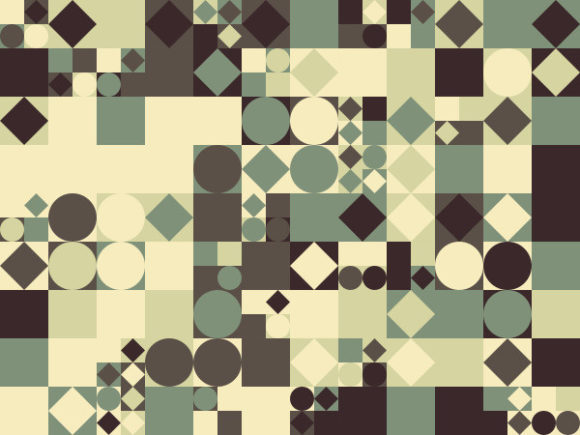
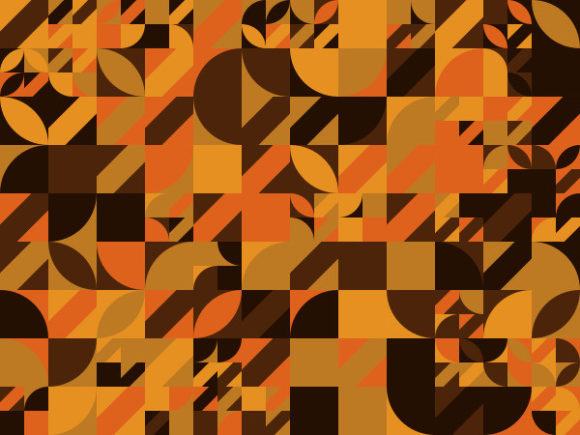
The Retro 80s Creative Pattern immediately establishes a bold personality. It captures that specific era where geometric shapes met vibrant energy, yet it manages to feel timeless rather than dated. For an embroidery designer, the layout is crucial. Unlike some busy patterns that become a muddy mess under the presser foot, this design maintains enough negative space to let the stitches breathe. The combination of art deco lines and contemporary graphic elements suggests a versatility that is rare to find in a single file.
I found myself imagining this design on various surfaces. The sharp angles and clean lines suggest it would work exceptionally well as a statement piece on a tote bag or a structured patch. However, the "creative" aspect of the title hints at flexibility. Because the file includes SVG formats that are easily editable and scalable, you can adjust the density or scale the pattern to fit smaller projects without losing the integrity of the original aesthetic. This scalability is a game-changer for small business owners who need to adapt one design for multiple product lines.
Real-World Application: From Screen to Stitch
Let's talk about a specific scenario. Imagine you are preparing for a holiday craft fair and need a cohesive line of merchandise for your handmade shop. You decide to create a collection featuring custom aprons, kitchen towels, and pillow covers. The Retro 80s Creative Pattern fits this brief perfectly. The geometric nature of the design complements the utilitarian look of an apron while adding a splash of artistic flair that elevates it above a generic store-bought item.
In this context, the design serves as a strong visual anchor. When stitched onto a canvas tote bag, the pattern creates a professional finish that signals quality to potential buyers. For a baby item, like a onesie or a blanket, the retro vibe offers a unique alternative to traditional floral or animal motifs. Parents looking for something distinctive for their nursery decor often appreciate designs that bridge the gap between vintage charm and modern style. The ability to edit the SVG means you could even integrate a name or date alongside the pattern, creating a truly personalized gift that feels bespoke.
For Etsy sellers and digital product creators, the value extends beyond the physical stitch. These Print Templates and graphics can be used to create printable mockups that showcase your finished products. A well-stitched sample of the Retro 80s Creative Pattern photographed against a neutral background can drive significant engagement on social media, proving that the design translates well across different mediums.
Where Caution is Key: Technical Limitations
While the aesthetic appeal is undeniable, every experienced embroiderer knows that beauty must be balanced with technical feasibility. There are specific situations where the Retro 80s Creative Pattern requires careful consideration before you start stitching. If you are working with a very small hoop size, the intricate details of the art deco elements might become too crowded. Dense stitch areas can lead to puckering, especially if the underlying fabric is thin or stretchy.
Textured fabrics present another challenge. While a heavy cotton duck works well for tote bags, applying this design to a soft, loose-weave jersey or a delicate silk might result in distortion. The fill stitches required to render the geometric shapes need a stable base. Similarly, if you plan to use this for commercial embroidery on dark fabrics, you must ensure you have enough contrast in your thread colors. A subtle variation in the pattern might get lost if the thread color clashes with the fabric background.
Curved surfaces, such as caps or fitted hats, also demand attention. While the design is scalable, wrapping complex geometric lines around a curved brim can alter the intended symmetry. In these cases, testing the design on scrap fabric is non-negotiable. You need to verify how the stitch density interacts with the curve before committing to a final product. Additionally, for items that will undergo frequent washing, like kitchen towels or children's clothing, check the durability of the satin stitches. High-density areas can sometimes trap lint or wear down faster if not stabilized correctly.
Design Notes for the Professional Maker
To get the most out of this embroidery file, there are several practical steps every designer should take. First, always run a test on scrap fabric that matches the weight and texture of your final project. This helps you gauge the necessary stabilizer type and hoop size. If you are using a tear-away stabilizer, ensure it provides enough support for the dense fill stitches typical of art deco styles.
Reviewing the thread colors is equally important. The Retro 80s Creative Pattern relies on the interplay of light and shadow created by the stitching direction. Changing the thread palette can completely shift the mood of the piece. I recommend creating black and white mockups to see if the contrast holds up without relying on color perception. This is particularly useful for ensuring the design looks good on both light and dark backgrounds.
If you are planning to sell finished items made with this design, confirm the licensing terms regarding commercial use. Many digital assets come with restrictions on how they can be used in mass production. Furthermore, inspect the small details closely. Sometimes, tiny corners or fine lines in a vector file can cause issues during digitization, leading to skipped stitches or thread breaks. Ensuring the design works seamlessly for both personal hobbies and commercial ventures is essential for maintaining brand consistency.
Final Verdict on Practical Value
The Retro 80s Creative Pattern stands out as a versatile asset for anyone involved in the creative economy. Whether you are a hobbyist making gifts for friends or a seasoned entrepreneur building a brand identity, this design offers a level of sophistication that enhances the perceived value of your handmade product. It bridges the gap between a simple decorative accent and a statement piece.
Its strength lies in its adaptability. From a custom embroidered patch for a denim jacket to a sophisticated logo on a boutique apron, the design holds its own. By understanding its limitations regarding fabric texture and hoop size, and by following proper stabilization techniques, you can avoid common pitfalls. Ultimately, this design is more than just a graphic; it is a tool that, when used with care, can elevate your embroidery project from a simple craft to a professional offering. For those looking to add a touch of retro-modern flair to their inventory, the Retro 80s Creative Pattern is a smart investment that pays dividends in customer satisfaction and visual impact.