Retro 80s Artistic Wallpaper Review for Real Embroidery
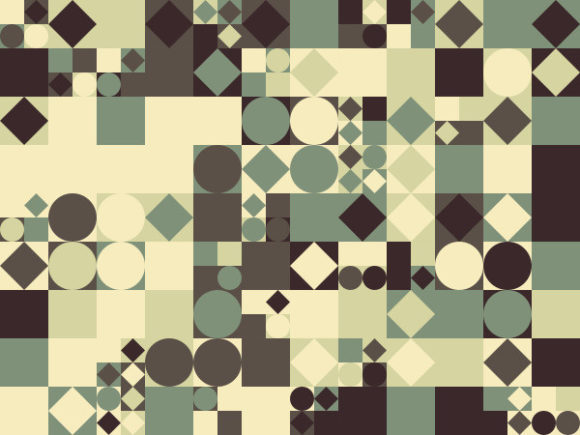
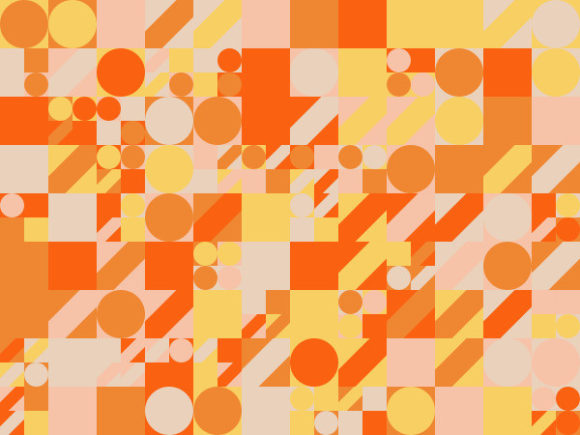
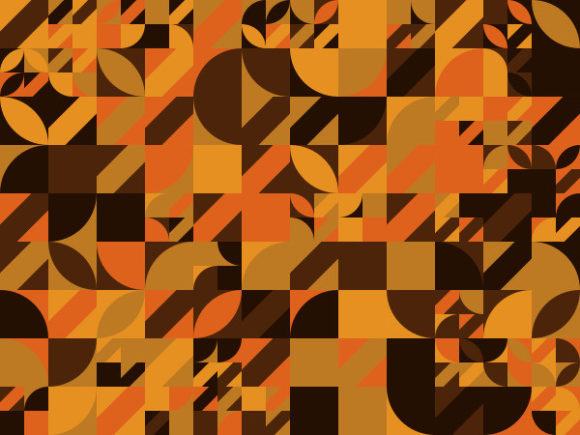
When I first opened the Retro 80s Artistic Wallpaper file, my initial reaction wasn't about stitch counts or digitization specs. It was about the vibe. As someone who spends hours tweaking designs for clients and crafting items for my own shop, I look for that specific spark that tells me a design will hold up under a needle and thread. This Print Templates collection brings a distinct energy to the table, blending art deco geometry with modernist lines in a way that feels both nostalgic and fresh. But does it translate well from a digital screen to a piece of fabric? That is the real question.
I recently decided to put this design through its paces on a custom project: a limited-run batch of canvas tote bags intended for a local artisan market. The goal was to create a statement piece that felt boutique-quality but retained a handmade charm. The Retro 80s Artistic Wallpaper offered a perfect backdrop for this kind of work. Its geometric patterns are bold enough to stand out on a large surface area, yet structured enough to guide the eye without overwhelming the viewer.
From Digital File to Stitched Reality
The description mentions that the file is an SVG, which is a massive advantage for designers who need flexibility. In the world of machine embroidery, scalability is everything. You never know if a client will want a small pocket patch or a full-back design on a sweatshirt. With Retro 80s Artistic Wallpaper, you can resize the elements without losing the crispness of the vector lines before you even begin digitizing or tracing.
However, converting a graphic wallpaper pattern into an embroidery file requires a strategic approach. Unlike a simple logo, this design relies heavily on fill areas and intricate details. When I tested the layout on a scrap piece of medium-weight cotton twill, I found that the dense geometric sections worked beautifully with a satin stitch for borders, while the background required a carefully balanced fill stitch to avoid puckering. If you are planning to use this for commercial embroidery on stretchy fabrics like t-shirts or caps, you must be mindful of the stitch density. Too much thread in one spot can distort the fabric texture, ruining the clean lines that make this design so appealing.
Real-World Applications for Makers and Sellers
This design isn't just a pretty picture; it is a versatile asset for any crafter business. Imagine applying this aesthetic to a baby onesie. The retro shapes provide a playful, almost psychedelic feel that parents love for nursery decor or baby gifts. Because the design is scalable, you could use a simplified version as a tiny accent on a bib or expand it to cover the back of a hooded sweatshirt.
For those selling on Etsy or running a boutique, visual presentation is key. A high-resolution mockup featuring Retro 80s Artistic Wallpaper on a tea towel or a pillow cover immediately elevates the perceived value of the item. Customers associate detailed, well-executed embroidery with quality. When you present a finished product that looks professional, it builds trust and encourages repeat purchases. The blend of vintage and contemporary styles means this design fits a wide demographic, making it a safe bet for holiday gifts, wedding favors, or personalized corporate swag.
I also considered using this for embroidered patches. The strong outlines and distinct color blocks are ideal for creating durable patches that can be ironed onto jackets or denim. However, when working with applique design techniques on this pattern, you might need to simplify some of the smaller interior details to ensure the edges lay flat and don't fray after washing.
Where to Exercise Caution
While the design is robust, there are specific scenarios where Retro 80s Artistic Wallpaper might struggle if not handled correctly. Small hoop sizes are a primary concern. If you attempt to stitch the full complexity of this pattern in a 4x4 inch hoop, the detail level may become muddy. The fine lines that give the design its "artistic" edge can get lost in the stitching process, especially if your machine has older needles or if your tension isn't perfectly calibrated.
Fabric choice is equally critical. While this design shines on stable materials like denim, canvas, or heavy cotton, it can be risky on thin or highly textured fabrics. On a sheer curtain or a loose-knit sweater, the stabilizer requirements become more complex, and the risk of distortion increases. Similarly, dark fabrics require careful thread selection. If you choose light-colored threads for a dark background, you may need a high stitch count to achieve opacity, which adds weight and stiffness to the final product.
Another pitfall to watch for is curved surfaces like baseball caps. The geometric nature of this wallpaper pattern is designed for flat planes. Trying to force these sharp angles onto a curved cap crown can result in misalignment or bunching. For such projects, I recommend adapting the design by cropping it to fit the curve or simplifying the pattern to focus on the central motif rather than the full repeating wallpaper effect.
Practical Notes for the Professional Designer
If you are ready to integrate this digital embroidery file into your workflow, here is my advice based on actual studio experience. Always test the design on scrap fabric first. Do not assume that because it looks good on your monitor, it will stitch perfectly. Check the thread color contrast against your chosen fabric; sometimes a design that pops in black and white mockups gets lost in color.
Review your stitch density settings. For Retro 80s Artistic Wallpaper, you likely want to balance the fill stitches to prevent the fabric from becoming too stiff. Use the proper stabilizer for your fabric type—heavy cut-away for knits and tear-away for wovens. If you are producing these items for sale, inspect the small details closely. Are the corners sharp? Is the thread coverage even? These nuances define the difference between a mass-produced look and a premium handmade product.
Finally, confirm your licensing terms before selling finished items. Even though the file includes editable SVGs, the usage rights for commercial resale vary. Ensure you have the green light to sell products made with this graphics asset. By taking the time to verify these details, you protect your reputation and your business.
In conclusion, Retro 80s Artistic Wallpaper is a powerful tool for designers looking to add a touch of mid-century cool to their portfolio. Whether you are creating custom apparel, personalizing gifts, or expanding your Etsy listings, this design offers a timeless aesthetic that resonates with buyers. Just remember that successful embroidery is as much about technique and preparation as it is about the design itself. With the right setup, this pattern can transform a simple fabric into a standout piece that customers will cherish.