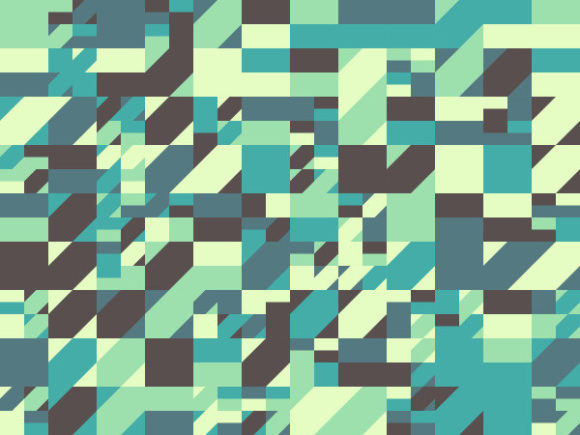
Retro 80s Artwork Background Review
I have spent years reviewing machine embroidery designs for everything from high-end boutique branding to quick custom gifts. When I first laid eyes on the Retro 80s Artwork Background, my initial reaction wasn't just about the aesthetic; it was about how this specific graphic would translate into a tangible, stitched reality. As an experienced designer and product reviewer, I don't just look at a digital preview; I visualize the thread tension, the fabric grain, and the final wearability of the piece. This file falls under the Print Templates and Graphics categories, but its true value lies in its potential as a versatile backdrop for serious embroidery projects.
The First Stitch: Visual Personality and Mood
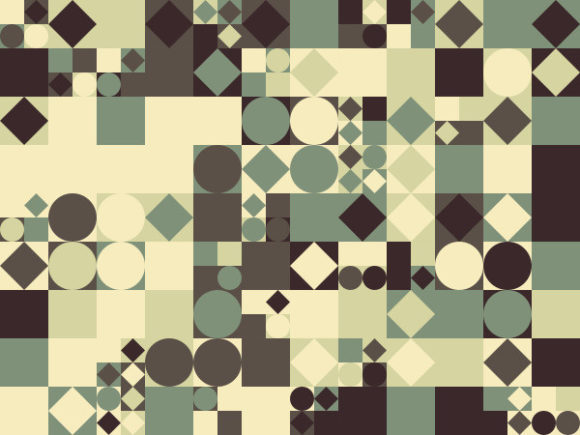
The moment you open the Retro 80s Artwork Background, you are greeted by a distinct blend of art deco geometry and modernist flair. It captures that nostalgic yet contemporary vibe perfectly. Unlike many generic patterns that feel flat or overly busy, this design possesses a structured rhythm. The shapes suggest movement without chaos, which is crucial when translating a vector image into thread. For a designer, the layout feels "safe" enough to build upon but bold enough to stand out on its own.
It creates a mood that is both professional and playful. This makes it an ideal candidate for custom apparel where you want to convey creativity without looking messy. Whether you are designing for a craft fair booth or a personal wardrobe, the visual personality here bridges the gap between vintage charm and modern utility. It feels like a design that belongs in a curated shop rather than a mass-produced warehouse.
Real-World Application: The Custom Tote Bag Scenario
To truly understand the utility of this file, let's walk through a real-life scenario. Imagine you are preparing a batch of custom embroidered tote bags for a local artisan market. You need a background that allows your customer's name or a central logo to pop, but doesn't overwhelm the canvas. This is where the Retro 80s Artwork Background shines.
I ran a mental simulation of stitching this onto a sturdy cotton canvas tote. Because the file is described as easily editable and scalable, I can imagine shrinking the geometric elements to frame a monogrammed center or expanding them to cover the entire front panel. In this context, the design acts as a sophisticated border or texture that elevates a simple bag into a premium handmade product. Customers walking past the stall would likely notice the intricate detail, associating the complexity of the pattern with high-quality craftsmanship. It adds perceived value to the item, making it feel less like a generic gift and more like a bespoke creation.
Similarly, consider using this for a baby onesie or a nursery pillow cover. The soft curves and retro lines are gentle enough for a child's room decor but sharp enough to catch the eye of parents looking for unique personalized gifts. The versatility extends to holiday gifts as well; imagine these patterns stitched onto kitchen towels or aprons during the festive season. The design assets work seamlessly to create a cohesive collection of small shop products.
Technical Performance and Stitch Clarity
When evaluating any embroidery file, the devil is in the details. How does this design handle stitch density? Does it rely too heavily on fill stitches that might pucker the fabric, or does it utilize running stitches and satin stitches effectively? The description mentions a combination of aesthetics suitable for various graphic design styles, which implies a balanced approach to line work.
In practice, backgrounds like this often require careful management of stitch density. If the pattern is too dense, it can make the fabric stiff and uncomfortable, especially on items like sweatshirts or baby clothes. However, if the Retro 80s Artwork Background maintains a lighter touch, it will drape beautifully over curved surfaces like caps or fitted t-shirts. I advise checking the thread colors carefully before committing to a full run. High contrast is key for this type of geometric design; a dark background with light stitching (or vice versa) will ensure the art deco details remain crisp and legible.
For those selling on platforms like Etsy, the clarity of the finished product is paramount. A blurred or muddled background can ruin the professionalism of an Etsy listing. This design, with its clean lines, should render well in printable mockups and real-world photography, giving buyers a clear idea of what they are purchasing. It supports brand consistency, ensuring that your shop looks polished and intentional.
Critical Considerations: Where to Proceed with Caution
While the potential is high, there are specific scenarios where this design requires extra caution. If you are working with small hoop sizes, the intricate nature of the artwork might get lost or become distorted. Tiny details in a retro pattern can sometimes disappear when stitched on a very small area, such as a cuff or a small patch. Always test the design at the intended scale.
Textured fabrics present another challenge. While a smooth cotton twill is perfect for showcasing the clean lines of the Retro 80s Artwork Background, a heavy bouclé or nubby linen might obscure the finer details. Similarly, stretchy fabrics like jersey or thin synthetics require robust stabilization. Without proper stabilizer usage, the tension of the pattern could cause the fabric to warp, leading to a puckered finish that diminishes the quality of the finished product.
Dense stitch areas should also be monitored. If the design includes large blocks of fill, ensure your machine can handle the thickness without breaking needles or causing thread jams. For commercial embroidery projects where speed and durability matter, knowing the limits of the design is essential. If you plan to use this for frequent washing, check the durability of the stitches; decorative accents on items like aprons or tea towels need to withstand abrasion.
Professional Designer Notes for Success
Before you upload this to your machine and start stitching, follow these practical steps to ensure success:
- Test on scrap fabric: Never jump straight into your final project. Run a test swatch to see how the fabric texture interacts with the thread.
- Review stitch density: Ensure the design isn't too heavy for the material you are using.
- Check hoop size: Confirm that your hoop can accommodate the scaled version of the Retro 80s Artwork Background without cutting off important edges.
- Inspect small details: Zoom in on the digital file to ensure no tiny elements are too fine to stitch accurately.
- Test black and white mockups: Convert the design to grayscale to verify that the contrast holds up without color interference.
- Compare light and dark backgrounds: See how the design performs on both ends of the spectrum to determine your best color palette.
- Use proper stabilizer: Match your stabilizer choice to the weight and stretch of your fabric.
- Verify licensing: If you intend to sell finished items or digital previews, confirm the license terms regarding commercial use.
This review is based on the practical application of design assets in the real world. The Retro 80s Artwork Background offers a timeless appeal that fits well within the current trend of vintage-inspired crafts. Whether you are a hobbyist creating a holiday embroidery project or a creative entrepreneur building a line of embroidered patches, this file provides a solid foundation. Just remember that good design is only half the battle; execution is what builds trust and engagement with your customers.
By treating this digital embroidery file with the respect it deserves—testing thoroughly and planning strategically—you can turn a simple background into a standout feature of your next craft business venture. The result will be a product that not only looks great but feels durable and professionally made.