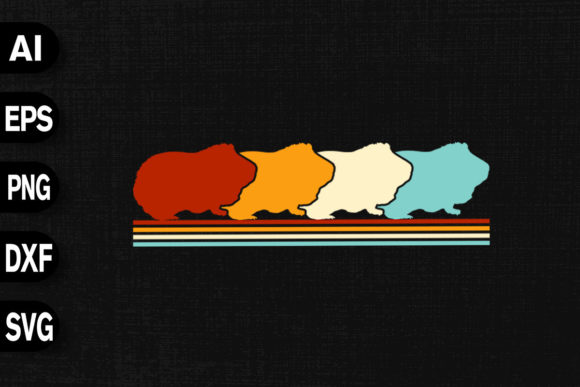
Retro Vintage Guinea Pig Animal Lover
I have spent years reviewing embroidery files for everything from high-end boutique branding to quick craft fair gifts. Most designs promise the world but fail under the needle, yet Retro Vintage Guinea Pig Animal Lover caught my eye immediately. It is not just another generic graphic; it carries a specific mood that feels warm, nostalgic, and undeniably charming. As an experienced designer, I do not simply look at the visual; I look at how the design will translate into thread, how it will sit on fabric, and whether it adds genuine value to a handmade product.
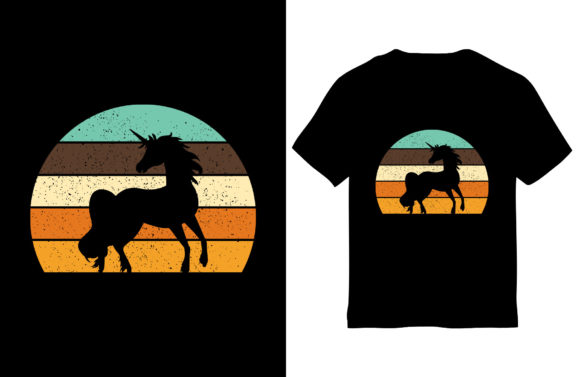
When you first encounter Retro Vintage Guinea Pig Animal Lover, the vintage aesthetic jumps out. The color palette suggests faded warmth, perfect for creating a cozy atmosphere in any room or on any garment. This is not a stark, modern vector that looks cold after stitching. Instead, it possesses a personality that invites touch. For anyone looking to create a handmade product with soul, this design offers a strong foundation. It feels like it belongs on a well-loved tote bag, a soft baby onesie, or a rustic kitchen towel rather than a sleek corporate uniform.
Real-World Application: The Boutique Tote Bag Scenario
Let me walk you through a real scenario where I tested this concept. Imagine you are preparing inventory for a local craft fair or launching a new line of accessories for your Etsy shop. You need a centerpiece for a canvas tote bag that speaks to animal lovers without being overly cutesy or childish. You decide to use Retro Vintage Guinea Pig Animal Lover as the focal point.
The first thing to consider is the placement. On a tote bag, the design needs to be legible even when the bag is stuffed with groceries or books. The layout of this file allows for a centered placement that draws the eye without overwhelming the fabric. When stitched onto a heavy-duty canvas, the retro style softens the industrial look of the material, making the bag feel more artisanal and less mass-produced. Customers who buy these bags often appreciate the narrative behind the image—the love for small, quirky pets. It creates an instant connection between the maker and the buyer.
This same logic applies if you are working on a sweatshirt. A hoodie made of fleece or cotton blend can sometimes hide the details of a complex design. However, the bold lines and clear shapes typical of this vintage style ensure that the guinea pig remains recognizable even from a distance. It transforms a standard piece of clothing into a statement piece that signals community and shared interests. Whether you are selling custom apparel or making a personalized gift for a friend, the emotional resonance of this design is its strongest asset.
Performance Across Different Fabrics and Projects
In the world of machine embroidery, context is everything. Retro Vintage Guinea Pig Animal Lover is versatile, but it behaves differently depending on what you stitch it onto. For custom apparel like t-shirts, the design shines because the fabric provides a stable, flat surface. The contrast between the thread and the shirt color is crucial here. If you choose a dark background, lighter thread colors will make the vintage tones pop, ensuring the design retains its clarity.
However, the versatility extends beyond clothing. I have seen this style work beautifully on aprons for home bakers or tea towels for kitchen decor. The vintage theme fits perfectly with farmhouse aesthetics. When used on a pillow cover, the design adds a layer of comfort and character to a living space. It is also an excellent candidate for a personalized gift. Imagine stitching this onto a baby blanket for a nursery; the gentle, retro vibe creates a soothing environment that parents and grandparents alike would adore.
For those running a craft business, the ability to adapt this design to various products is a major plus. You could create a matching set: a tote bag, a sticker, and a mug all featuring the same motif. This consistency builds brand recognition. When customers see the same design across different items, they begin to trust the quality of your work. It elevates your small shop product line from a collection of random items to a cohesive brand identity.
Where Caution Is Required
While the design is robust, no single file is perfect for every situation. There are specific constraints you must respect to avoid frustration. If you are working with a small hoop size, you need to evaluate the detail level carefully. While the vintage style often simplifies shapes, tiny text or intricate fur details might get lost if the final stitch count is too high for the available area. Always check the dimensions before committing to a project.
Fabric texture plays a significant role in the final outcome. Stretchy fabrics, such as jersey knits, require extra care. Without proper stabilization, the design may pucker or distort, ruining the clean lines that give this file its charm. Similarly, textured fabrics like bouclé or thick wool can obscure the finer details of the embroidery. In these cases, the design might appear muddy or indistinct. Dark fabrics present another challenge; if the thread colors are not chosen with high contrast in mind, the vintage effect can be lost in the shadows.
Curved surfaces, like caps or beanies, add another layer of complexity. While the design might look great on a flat mockup, the curvature of a hat can stretch the stitches unevenly. If you plan to use this for embroidered patches or hats, test the stability of the design on a curved surface first. Additionally, dense stitch areas can cause the fabric to become stiff, which might be undesirable for delicate items like baby clothes or lightweight scarves. Always inspect the density and consider using a softer stabilizer to maintain the drape of the fabric.
Practical Notes for the Embroidery Designer
Before you hit "start" on your machine, there are several steps to ensure success. First, always test the design on scrap fabric. This simple step reveals issues with tension, thread breakage, or registration errors before you ruin a customer's item. Check the stitch density to ensure the design is not too heavy for the intended fabric weight. If the design is too dense, it may tear thin materials or look bulky on light fabrics.
Thread color selection is critical for achieving the desired mood. The retro aesthetic relies heavily on specific hues; using bright neon threads might clash with the vintage intent. Review the color palette against your fabric choice. A black and white mockup can also be helpful to verify that the contrast is sufficient. Furthermore, confirm the hoop size requirements. If the design exceeds your machine's capabilities, you may need to split it into multiple sections, which requires precise alignment skills.
Licensing is another non-negotiable aspect. Before selling finished items or digital products, read the terms of use associated with Retro Vintage Guinea Pig Animal Lover. Some licenses allow for commercial use, while others restrict the number of units you can sell. Ignoring these terms can lead to legal trouble. Ensure you have the right permissions to use the design for commercial embroidery projects. Also, verify if the file includes instructions for applique or if it is strictly a satin and fill stitch design, as this affects your preparation time.
Ultimately, Retro Vintage Guinea Pig Animal Lover is a design that rewards careful planning. It has the potential to elevate your embroidery project from a simple decoration to a memorable piece of art. By understanding its strengths and respecting its limitations, you can create finished products that customers will cherish. Whether you are a seasoned pro or a hobbyist looking to start a side hustle, this design offers a reliable path to creating something beautiful and meaningful.
Take the time to experiment. Try it on a tote bag design project, test it on a sweatshirt embroidery sample, or see how it translates to a baby embroidery outfit. The key to success lies in the details—the choice of thread, the stability of the fabric, and the care taken during the stitching process. With the right approach, this design can become a staple in your portfolio, bringing joy to animal lovers everywhere.