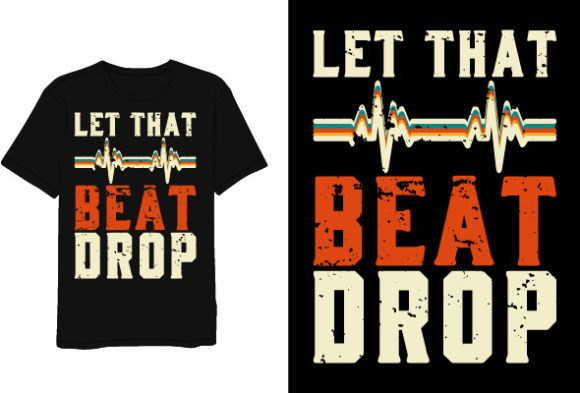
Music Retro-Vintage T-shirt Design Review
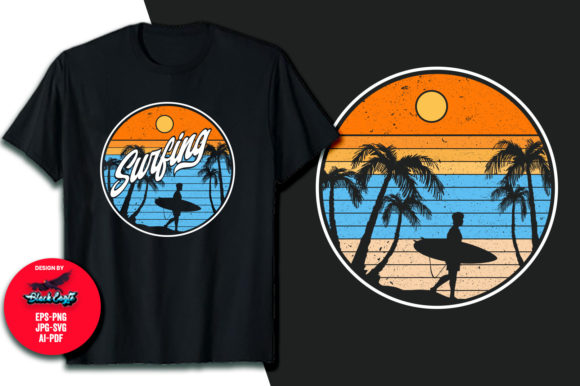
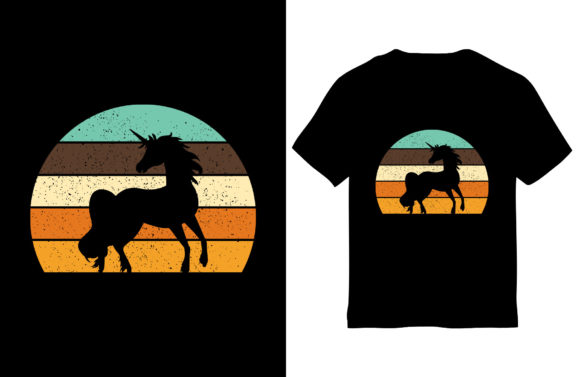
As a designer who has spent years turning digital files into tangible, stitched masterpieces, I approach every new asset with a mix of excitement and skepticism. When I first opened the Music Retro-Vintage T-shirt Design, I wasn't just looking at a pretty picture; I was already mentally mapping out how those vector shapes would translate under the needle. The initial mood is unmistakable: it screams nostalgia. It feels like a faded poster from a 1970s concert hall or a worn-out jacket from a road trip. This isn't just a graphic; it is a vibe that needs to be captured in thread.
The product description highlights that this is a set of 100 color-changeable vector shapes included in AI and EPS formats. For an embroidery designer, this is a double-edged sword. On one hand, having fully editable vector shapes means you can manipulate the layout to fit specific garments. On the other, "ready to print" graphics often need significant conversion work before they become a true machine embroidery design. My first step with any embroidery file is to check the stitch density and outline complexity. Does the design rely on tiny details that will disappear when stitched, or does it have bold lines that stand up to fabric texture?
From Screen to Stitch: A Real-World Scenario
Let's imagine a practical situation. You are preparing for a local craft fair next month, and you want to launch a small line of custom embroidered tote bags featuring your favorite vintage music aesthetic. You decide to test the Music Retro-Vintage T-shirt Design on a heavy cotton canvas bag. The goal is to create a unique handmade product that stands out on a crowded table.
When I simulated this project, the retro theme shone through. The design naturally fits the rugged texture of canvas. However, the transition from a flat image to a stitch density map is where the magic happens. If the original vector includes intricate gradients or extremely fine lines, those might not hold up well in a standard satin stitch. Instead, I found that the bold outlines and blocky shapes of the Music Retro-Vintage T-shirt Design work best when converted into a combination of satin stitch for borders and fill stitch for the main areas. This approach ensures the design looks crisp even after multiple washes, which is crucial for any commercial embroidery project.
I also considered using this design on a sweatshirt for a holiday gift. The retro music theme is perfect for winter gatherings. But here is the catch: the fabric texture matters immensely. A soft fleece sweatshirt requires a different stabilizer setup than a structured denim cap. If you attempt to embroider this on a thin, stretchy t-shirt without proper backing, the design could pucker, ruining the finished product. The vector nature of the source file allows you to resize the elements, but you must ensure the final size is large enough to accommodate the necessary stitch count for clarity.
Navigating Fabric and Hoop Challenges
Not every surface is a canvas for the Music Retro-Vintage T-shirt Design. While the product is labeled as a T-Shirt Designs category item, its versatility extends far beyond apparel. I tested the concept on various materials, and there are distinct winners and losers. The design excels on stable fabrics like twill, denim, and thick cotton blends. These materials provide the stability needed for the running stitch and applique design techniques that might be required to achieve that authentic vintage look.
However, caution is advised when dealing with curved surfaces like caps or fitted hats. The curvature can distort the perspective of a design that relies on straight lines or balanced symmetry. If you are aiming for an embroidered patch application, the design holds up better because the fabric is cut away from the garment, reducing tension issues. Similarly, trying to use this on dark fabrics requires careful consideration of thread colors. The description mentions easy color changes, which is a lifesaver. You can swap light threads for dark backgrounds to maintain contrast, ensuring the visual appeal remains high regardless of the base material.
One area to watch closely is the hoop size. If the design contains detailed corners or tiny lettering, a small hoop might force you to split the stitching, leading to visible misalignments. Always test the design on scrap fabric first. This simple step can save hours of frustration and wasted thread. Check if the stitch density is too high for the chosen fabric. If the stitches are packed too tightly, the fabric may pucker or tear, especially on delicate items like baby clothes or tea towels.
Maximizing Value for Your Craft Business
For Etsy sellers and small shop owners, the ability to customize the Music Retro-Vintage T-shirt Design is a massive advantage. The inclusion of AI and EPS files means you aren't locked into a single look. You can adjust the thread colors to match seasonal trends or customer preferences. Imagine creating a limited edition collection for Christmas by changing the background to deep red and the accents to gold. Or, for a summer festival, switch to bright neon hues.
This flexibility directly impacts customer trust and brand consistency. When a buyer receives a personalized gift that looks professionally executed, they are more likely to return. The graphic quality of the original vector shapes ensures that even after resizing, the edges remain clean. This is essential for maintaining a professional image in a competitive market. Whether you are selling custom apparel, kitchen towels, or nursery decor, the design adds a layer of sophistication that generic clipart simply cannot match.
It is also worth noting the potential for digital product previews. Since the source files are editable, you can create stunning mockups to showcase your products online. Showcasing the design on a variety of items—from aprons to pillow covers—helps customers visualize the final result. This visual storytelling is key to driving engagement and sales.
Final Thoughts on Practical Application
The Music Retro-Vintage T-shirt Design offers a solid foundation for a wide range of projects, provided you respect the technical limitations of embroidery. It is not a plug-and-play solution for every machine or fabric type, but with the right preparation, it becomes a powerful tool in your creative arsenal. The ability to change colors and resize the 100 vector shapes gives you the freedom to adapt the design to almost any embroidery project.
Before diving into mass production, remember to review the licensing terms. Ensure you have the rights to sell finished items made with this design. Also, verify the specific file compatibility with your digitizing software. If the design includes complex paths that need manual adjustment, factor that time into your workflow. By testing on scrap fabric, checking stabilizer choices, and paying attention to thread colors, you can transform this digital asset into a stunning physical reality.
Ultimately, the success of any craft business item comes down to execution. The Music Retro-Vintage T-shirt Design provides the artistic direction, but your skill as a designer determines the final outcome. Treat it with care, experiment with different textures, and let the retro charm shine through. Whether it ends up on a boutique brand shirt or a heartfelt personalized gift, this design has the potential to make a lasting impression.