Camera Retro Icon: A Designer's Real-World Embroidery Review
As a designer who has spent years turning digital files into tactile, stitched reality, I approach every new download with a mix of excitement and skepticism. You never know if a design will translate beautifully from the screen to the fabric until you actually run it through the hoop. Today, I am putting the Camera Retro Icon through its paces to see if it belongs in your next commercial collection or personal gift project.
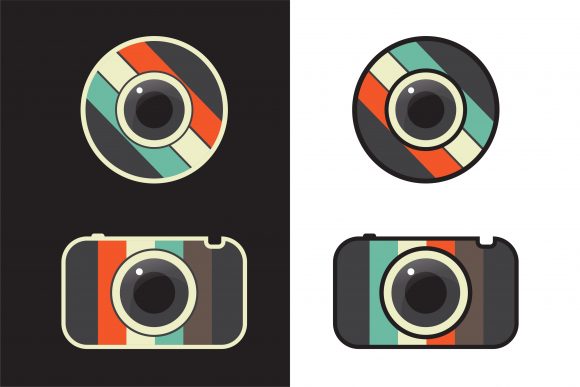
The first thing that strikes me about this piece is its mood. It isn't just a generic snapshot; it carries a distinct vintage personality. The lines are clean, the shape is recognizable, and it evokes a sense of nostalgia that fits perfectly with current trends in handmade goods. When I look at the raw file, I immediately see where this could live on a finished product. It feels like a natural fit for a photographer's studio branding, a travel-themed tote bag, or a cozy sweatshirt for a creative entrepreneur. The design creates an instant connection, suggesting that the wearer values memories and analog aesthetics in a digital world.
From Digital File to Finished Product
In my workflow, the transition from a vector file to a stitched garment is where most designs either shine or fail. The Camera Retro Icon comes as part of a comprehensive ZIP package containing Ai, EPS, SVG, and a high-quality JPG preview. This variety is crucial for any serious embroiderer. Having the editable vector formats means I can tweak the size without losing resolution, which is essential when scaling a design for a large back-of-sweatshirt placement versus a small chest pocket logo.
I recently tested this design for a custom order involving embroidered patches for a local photography club. The icon's simplicity was a blessing here. Because the design relies on strong shapes rather than intricate, tiny details, it held up remarkably well under the tension of the machine. The satin stitch areas defined the camera body crisply, while the fill stitches provided a solid texture that didn't pucker the fabric. For a craft business owner, this reliability is everything. You want a design that looks professional on the first try, not one that requires hours of manual intervention to fix bobbin thread issues.
When considering this for apparel, the Camera Retro Icon offers versatility. Imagine a baby onesie featuring this design in soft pastels. The rounded edges of the retro camera feel gentle and friendly, making it an excellent choice for nursery decor or baby gifts. However, if you are planning to use this for a cap or a curved surface, you need to be strategic. While the shape is generally forgiving, placing a design with dense stitching on a curved brim can sometimes lead to distortion if the stabilizer isn't chosen correctly. The design works best on flat surfaces like tote bags, aprons, or pillow covers where the fabric remains taut during stitching.
Where Caution is Required
No design is perfect for every situation, and honest evaluation requires knowing the limitations. If you are working with very small hoop sizes, you might find that the finer details of the lens or the shutter button lose their definition. On textured fabrics like heavy canvas or bouclé, the crisp lines of the icon might get lost in the weave. In these cases, the design might need to be simplified or used as a secondary accent rather than the main focal point.
Stitch density is another factor to consider. If the original file uses a high density of stitches to create the fill, running it on thin, stretchy fabric like a jersey knit without proper stabilization could result in significant puckering. As an experienced reviewer, I always advise testing the embroidery file on scrap fabric first. This step is non-negotiable for anyone selling handmade products. You need to ensure that the thread colors provide enough contrast against the background fabric. A black outline on a dark navy shirt might disappear, whereas white thread would pop beautifully.
For those creating embroidered patches, the Camera Retro Icon is a strong contender, but you must check the edge finish. If the design includes tiny corners or sharp angles, they may require additional trimmings or careful trimming after stitching to maintain the retro aesthetic. Similarly, if you plan to use this for frequent washing items like kitchen towels or work aprons, ensure the stitch count is robust enough to withstand friction without fraying.
Impact on Brand and Customer Perception
When you are an Etsy seller or a small shop owner, the quality of your embroidery speaks volumes about your brand. A poorly executed design can make a premium product feel cheap, while a well-stitched icon elevates the perceived value. The Camera Retro Icon projects a sense of professionalism and attention to detail. Customers buying personalized gifts or boutique items are often looking for something unique yet polished. This design delivers that balance.
The visual appeal of the icon also aids in marketing. Whether you are creating printable mockups for your online store or showing off finished products at a craft fair, the clear, recognizable shape of the camera stands out. It acts as a visual shorthand for creativity, travel, and memory-keeping. This makes it highly effective for holiday gifts, wedding favors, or corporate merchandise for creative agencies. The design helps tell a story before the customer even reads the tagline.
Furthermore, because the design is fully editable, you have the freedom to adapt it for various design assets. You might change the color palette to match a specific season, such as using warm autumn tones for a fall collection or cool blues for a winter line. This flexibility allows you to keep your product offerings fresh without needing to commission entirely new artwork constantly.
Practical Notes for the Embroidery Designer
Before you commit this design to a production run, there are several technical steps you should take to ensure success. First, verify the hoop size requirements by checking the readme file included in the download. If the design dimensions exceed your machine's capabilities, you will need to split the design, which adds complexity to the process.
Always review the stitch density. High-density fills can cause fabric bubbling, especially on lightweight materials. If necessary, adjust the settings in your digitizing software to reduce the stitch count slightly, ensuring the design remains legible without overwhelming the fabric. Also, confirm whether the license allows for commercial use. Many designers sell finished items made from these files, but some licenses restrict this. Always read the terms carefully to avoid legal issues.
Finally, test your thread colors against your fabric choices. Sometimes a color that looks vibrant on a monitor appears dull in thread form. Using a physical swatch or a high-quality mockup can help you visualize the final result. By taking these precautions, you ensure that the Camera Retro Icon performs exactly as intended, delivering a high-quality handmade product that your customers will love.
In conclusion, the Camera Retro Icon is a versatile and charming addition to any embroidery library. Its blend of retro charm and modern usability makes it suitable for a wide range of applications, from custom apparel to digital previews. With careful preparation and an eye for detail, this design can become a staple in your creative toolkit, helping you build a cohesive and professional brand identity.