Mandala Retro Art: A Designer's Real-World Embroidery Review
When I first opened the Mandala Retro Art file, my immediate reaction wasn't about the technical specs or the pixel dimensions. It was about the vibe. There is a distinct energy in this design that feels both nostalgic and timeless. As someone who spends hours evaluating digital assets for client work, I look for designs that translate well from a screen to a needle. This piece definitely has that potential. The intricate geometry of the mandala combined with the retro aesthetic creates a visual personality that stands out without being overwhelming.
I am reviewing this as a practical tool for embroidery designers, small business owners, and crafters who need reliable assets for their handmade products. Whether you are an Etsy seller looking to refresh your shop or a boutique owner creating custom merchandise, understanding how a design behaves on fabric is crucial. Let's dive into what makes Mandala Retro Art work (and where it might struggle) in a real-world scenario.
The First Impression: Mood and Visual Impact
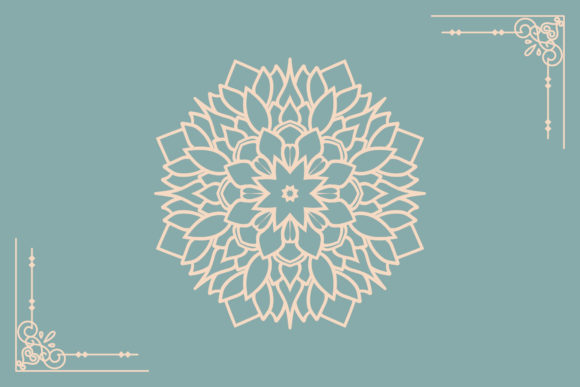
The layout of Mandala Retro Art suggests a strong sense of balance. Mandalas are inherently symmetrical, which is a dream for machine embroidery because it centers perfectly within a hoop. The retro styling adds a layer of warmth that pure geometric patterns often lack. It feels approachable, making it ideal for projects that need to feel personal and inviting rather than sterile or corporate.
Visually, this design sits comfortably in the Illustrations and Graphics categories, but its true strength lies in its adaptability. It doesn't scream "digital download"; instead, it whispers "handmade treasure." When I imagine this stitched onto a canvas tote bag or a soft cotton sweatshirt, the retro lines catch the light differently depending on the thread sheen. It promises a finished product that looks expensive and thoughtfully curated, elevating the perceived value of any item it adorns.
Real-Life Application: From Screen to Stitch
To truly understand the utility of this design, let's walk through a specific project. Imagine you are preparing for a holiday market or launching a new line of personalized gifts. You decide to create a custom embroidered apron for a local bakery or a set of matching baby onesies for a newborn shower.
If I were using Mandala Retro Art for a custom embroidered tote bag, the design would likely be the focal point. The symmetry allows it to sit right in the center of the bag panel, drawing the eye immediately. For a baby item, like a nursery wall hanging or a bib, the softer retro tones would blend beautifully with pastel threads. The intricate details of the mandala could add a touch of sophistication to a nursery decor piece, making it a gift that parents actually keep rather than discard.
This design also shines when used for commercial embroidery projects. Small shop owners often struggle to find unique assets that don't look generic. Using Mandala Retro Art as part of a branded patch or a logo variation on a cap can give a brand a distinct identity. The pattern works well as a background texture or as a standalone centerpiece, offering flexibility in how you approach your embroidery project.
Where Caution is Key: Fabric and Placement Challenges
While the design is beautiful, no asset is perfect for every situation. As an experienced reviewer, I have to highlight where Mandala Retro Art might face hurdles. The primary concern lies in the detail level. If the design contains fine lines or very small intersections typical of complex mandalas, these areas can get lost if the stitch density is too high or if the fabric is too textured.
Here are specific scenarios where you should proceed with care:
- Small Hoop Sizes: If you are working on a 4x4 inch hoop, some of the finer details might become muddy. Always check the scaling options before committing to a small size.
- Textured Fabrics: On heavy denim or thick fleece, the definition of the retro lines might blur. Smooth fabrics like cotton twill or sateen will render the design much more crisply.
- Stretchy Fabrics: Mandala designs require stability. Stretchy knits can distort the circular symmetry during stitching unless a high-quality cut-away stabilizer is used correctly.
- Dense Stitch Areas: If the design relies heavily on fill stitches, ensure your machine can handle the density without puckering the fabric.
- Curved Surfaces: While caps are popular, applying a large, flat mandala to a curved surface requires careful digitizing adjustments to avoid distortion at the edges.
For products that need frequent washing, such as kitchen towels or everyday wearables, the longevity of the design depends on the thread colors and the stitch type. Satin stitch edges hold up better against friction than long running stitches, so pay attention to how the software converts the vector art into stitches.
Designing for Value and Trust
In the world of handmade goods, presentation is everything. A well-executed Mandala Retro Art design signals professionalism. Customers can tell the difference between a rushed job and one that was planned with care. When a buyer sees a crisp, centered mandala on a high-quality garment, it builds trust in your brand. It suggests that you care about the details, which translates to customer loyalty.
This design also enhances the giftability of your products. A personalized gift with a unique, artistic element feels more special than one with a generic clip-art image. The retro theme appeals to a wide demographic, from millennials looking for vintage vibes to older generations who appreciate classic symmetry. By choosing a design that resonates emotionally, you increase the likelihood of repeat purchases and positive reviews.
Practical Notes for the Embroidery Designer
Before you run this file through your machine, there are several steps you must take to ensure success. Even though the product description mentions receiving AI, EPS, and SVG files, the conversion to an embroidery format is where the magic happens.
- Test on Scrap Fabric: Never start on your final product. Run a test on a scrap piece of the same fabric you plan to use. This helps you gauge how the design interacts with the material grain.
- Check Thread Contrast: The retro aesthetic relies on color depth. Ensure your chosen thread colors provide enough contrast against the fabric. Dark threads on dark fabric can disappear, while light threads on white fabric might lack definition.
- Review Stitch Density: Look at the digitized file closely. Are the fill stitches too dense? If so, the fabric may pucker. Adjust the density settings if necessary to maintain the integrity of the embroidery file.
- Hoop Size Verification: Confirm that the design fits your intended hoop size with room to spare. Leaving a margin around the edge prevents the machine from hitting the hoop frame.
- Inspect Small Details: Zoom in on the smallest elements. Can they be stitched clearly? If not, consider simplifying the design or increasing the overall size.
- Licensing Check: Before selling finished items or digital products, double-check the license terms. Some designs allow for commercial use, while others restrict the number of units you can produce.
Finally, always test the design in black and white mockups. This strips away the distraction of color and lets you see the true structure of the pattern. Does the shape hold up? Is the flow logical? These questions are vital for ensuring your finished product meets professional standards.
Mandala Retro Art is a versatile asset that can elevate your portfolio, whether you are creating custom apparel, crafting personalized gifts, or building a brand for your craft business. By approaching it with a critical eye and following these practical guidelines, you can turn a simple digital file into a stunning, tangible piece of art that customers will love.