Vintage Retro Sunset Palm Tree, Snowman
When I first opened the file for Vintage Retro Sunset Palm Tree, Snowman, my initial reaction wasn't just about the aesthetic; it was about the logistical challenge of bringing this specific visual concept to life on fabric. As someone who has spent years refining machine embroidery design for clients and crafting my own handmade product lines, I know that a great image doesn't always translate into a great stitch. This piece sits in the Graphics category under Print Templates, but its true value lies in how well it functions as an embroidery file for real-world applications.
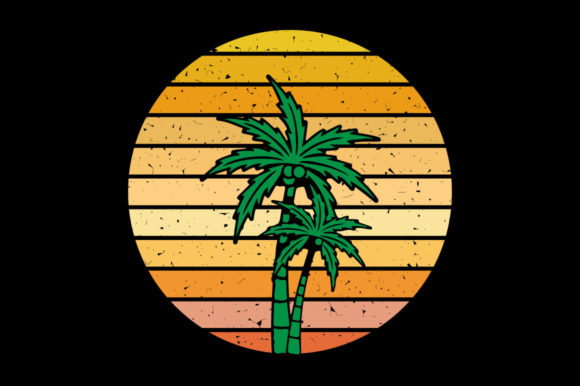
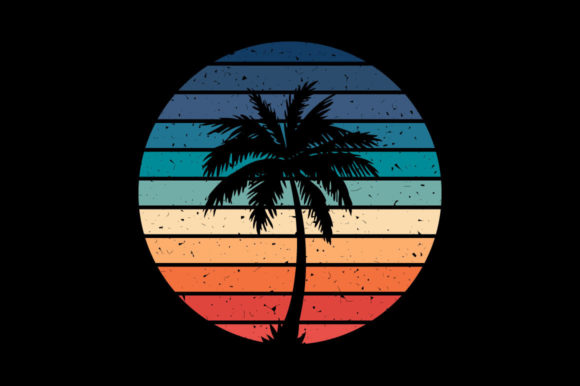
The concept itself is a bold juxtaposition: the warmth of a retro sunset palm tree colliding with the cold imagery of a snowman. It creates a mood that is simultaneously nostalgic and whimsical. For a designer or a small business owner looking to break away from generic holiday templates, this design offers a unique narrative. It feels like a story waiting to be stitched—a winter memory from a tropical place, or perhaps a playful take on seasonal confusion. The visual personality is distinct, leaning heavily into mid-century modern color palettes and soft, rounded shapes that are generally forgiving in the hoop.
I recently put this design to the test while preparing a custom order for a boutique client who wanted something different for their winter holiday collection. They needed a statement piece for a sweatshirt embroidery project that wouldn't look like every other shop's inventory. We decided to use Vintage Retro Sunset Palm Tree, Snowman on a heather grey pullover. The goal was to create a personalized gift that felt curated rather than mass-produced. The first step was evaluating the layout. The design features a central focal point with supporting elements that frame the scene naturally. In a tote bag design, this composition works beautifully because the vertical orientation fills the canvas without feeling cramped.
However, putting theory into practice revealed some critical considerations. When stitching this out, the transition between the warm sunset gradients and the cool snowman details requires careful thread selection. If you choose thread colors that clash too sharply, the retro vibe gets lost, and the design looks muddy. I recommend sticking to muted, vintage tones—mustard yellows, burnt oranges, dusty blues, and off-whites—to honor the original aesthetic. Using high-contrast neon threads might make the stitch density appear harsher than intended, reducing the professional finish.
In terms of execution, the design relies heavily on fill stitch for the background sun and sky, with satin stitch likely used for outlines and key details like the snowman's scarf or the palm fronds. This combination usually yields a plush, high-quality look, but it does demand a stable base. I tested the design on a cotton twill cap, which is a common surface for custom apparel. While the curved surface added a nice dimension, the tight corners of the palm leaves required a smaller hoop size and extra care to prevent puckering. If you are planning to sell these as embroidered patches, ensure your backing stabilizer is robust enough to hold the shape without distorting the intricate curves.
This design shines brightest when applied to items that benefit from a cozy, artisanal feel. Imagine baby embroidery on a onesie or a soft blanket; the gentle curves of the snowman and the palm tree would look adorable and safe against delicate skin. Similarly, for kitchen towel projects or pillow covers, the retro theme adds a touch of character that elevates a simple utility item into a decorative accent. It fits perfectly into the holiday embroidery niche, offering a fresh alternative to traditional Santa or reindeer motifs. For an Etsy seller or a craft business owner, this kind of unique asset can help differentiate your small shop product listings from competitors who rely on overused clip art.
That said, there are scenarios where Vintage Retro Sunset Palm Tree, Snowman requires caution. If you are working with thin, stretchy fabrics like lightweight jersey or silk, the density of the fill stitches might cause the material to warp. In such cases, a heavy-duty cut-away stabilizer is non-negotiable. Additionally, if you are aiming for a very small detail, such as a logo on a shirt pocket or a tiny patch on a hat brim, you must verify the resolution of the source file. Tiny lettering or fine lines in a retro style can sometimes disappear under the needle if the stitch count is too low. Always inspect the small details before committing to a full production run.
For those considering this for commercial use, the visual appeal directly impacts customer trust. A clean, well-executed stitch job signals professionalism. When a buyer sees a finished product that captures the nuance of the design assets, they are more likely to perceive the brand as authentic. This is crucial for brand consistency across your digital product previews and physical merchandise. If the embroidery looks sloppy, it undermines the entire finished product value, regardless of how clever the concept is. Conversely, a sharp, clear rendition of this design can become a signature element for your boutique branding.
To ensure success, I advise all makers to follow a rigorous testing protocol. Before you start stitching on your final customer item, always test the design on scrap fabric. Check the thread color contrast against your chosen background; sometimes what looks good on screen appears dull in thread form. Review the stitch density to ensure there are no gaps or excessive bunching. Confirm that your hoop size accommodates the entire design without cutting off edges, especially if you plan to add text later. Inspect small details closely to see if any fine lines need simplification for better clarity.
It is also wise to test the design in black and white mockups. This helps you understand the tonal balance and ensures the design holds up even if the color palette changes. Compare light and dark fabric backgrounds to see how the shadows and highlights interact. Use proper stabilizer techniques appropriate for your fabric type—water-soluble for delicate items, tear-away for stable wovens, and cut-away for stretchy materials. Finally, double-check whether the design works for both personal and commercial projects and confirm licensing terms before selling finished items or digital products.
Ultimately, Vintage Retro Sunset Palm Tree, Snowman is a versatile tool in the arsenal of any creative entrepreneur. It bridges the gap between seasonal trends and timeless retro style. Whether you are creating a one-off embroidery project for a friend or scaling up production for a commercial embroidery line, this design offers a strong foundation. By paying attention to the technical details and respecting the artistic intent, you can turn a simple graphic into a cherished keepsake. For designers who want to move beyond the ordinary, this piece provides the perfect opportunity to craft something memorable.