Sunset Striped Retro Vintage Colors Tree Review
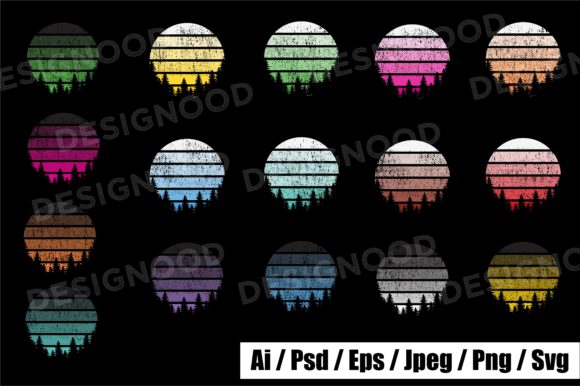
When I first opened the file for Sunset Striped Retro Vintage Colors Tree, my initial reaction wasn't about stitch counts or digitizing software compatibility. It was purely visual. The design immediately evoked a specific era of warmth and nostalgia, blending the organic shape of a tree with bold, retro stripes that mimic a sunset horizon. As someone who has spent years reviewing digital assets for real-world embroidery projects, I know that finding a design that balances artistic flair with technical feasibility is rare. This piece sits comfortably in the Backgrounds and Graphics categories, but its true potential lies in how it translates from a screen to a needle.
The mood this design creates is undeniably cozy. It feels like a memory of a summer evening at a roadside diner or a vintage poster found in a dusty attic shop. For the modern crafter or Etsy seller looking to add a touch of personality to their inventory, Sunset Striped Retro Vintage Colors Tree offers a distinct aesthetic that stands out against the sea of generic floral or geometric patterns. However, before you rush to load your hoop, there are critical factors to consider regarding how this specific artwork behaves under the pressure of machine embroidery.
From Digital Mockup to Real-World Stitching
I recently put this design to the test on a custom project: a line of canvas tote bags intended for a local artisan market. The goal was to create a product that felt handmade yet professional enough to command a higher price point. The concept was simple: use Sunset Striped Retro Vintage Colors Tree as the central focal point on a natural-colored bag. The first thing I noticed during the digitizing preview was the interplay between the striped elements and the tree silhouette. In a print file, those stripes would be crisp and clean. In an embroidery file, however, they rely heavily on fill stitches and thread density to maintain their integrity.
The challenge with any striped pattern in embroidery is preventing the threads from merging too much or creating a muddy texture. Fortunately, the layout of this design seems optimized for clarity. The stripes run horizontally across the "sky" portion of the tree, which allows for long, smooth runs of thread that minimize puckering. When I stitched the sample, the contrast between the warm orange and yellow tones and the darker foliage worked beautifully. It didn't look like a flat image; it had depth and texture that appealed to customers who value tactile quality.
This brings us to the versatility of the design. While I tested it on a tote, the same logic applies to sweatshirt embroidery or custom apparel. Imagine this design on a heather gray hoodie. The retro vibe fits perfectly with streetwear trends. Alternatively, scaling it down for a baby onesie or a nursery pillow cover could yield a charming result. The key here is understanding that Sunset Striped Retro Vintage Colors Tree is not just a graphic; it is a versatile asset that can elevate a handmade product from a simple craft item to a boutique-quality good.
Where Caution Is Required
While the design is strong, no single file is perfect for every scenario. If you are planning to use this for embroidered patches or small accessories like cap fronts, you need to be strategic. Small hoop sizes often struggle with dense fill areas, and the striped sections might lose definition if the stitch density is too high. I strongly advise testing the design on scrap fabric first, specifically checking how the stitch density holds up on thin fabrics. Stretchy materials like jersey or knit caps can distort these horizontal lines, causing them to ripple or bunch up.
Another area where caution is needed is dark fabric. The description mentions mixed colors, likely including light yellows and oranges. On a black or navy background, these colors may require a heavy layer of underlay or a white backing to pop. Without proper preparation, the thread colors might get lost in the darkness of the garment. Similarly, if you intend to use this on a textured fabric like a thick wool blanket or a rough burlap sack, the fine details of the stripes might not register clearly. In such cases, a larger hoop size and a robust stabilizer system are non-negotiable to ensure the final product looks polished rather than amateurish.
Impact on Brand Consistency and Customer Trust
For the Etsy seller or small business owner, the visual appeal of your products directly influences customer trust. A sloppy embroidery job with uneven stitches or distorted patterns can ruin the perceived value of a personalized gift or a commercial embroidery order. Sunset Striped Retro Vintage Colors Tree, when executed correctly, signals professionalism. The retro aesthetic suggests a curated, thoughtful brand identity that resonates with buyers looking for unique, holiday embroidery items or wedding gifts.
Consider the presentation. When you photograph the finished item for a printable mockup or an online listing, the vibrant colors of the design catch the eye. It acts as a conversation starter. Customers don't just see a tree; they see a mood. This emotional connection is what drives sales in the craft business. However, this relies entirely on the execution. If the running stitch edges are frayed or the satin stitch columns are misaligned, that magic disappears instantly. That is why inspecting small details and confirming the digital embroidery file quality before mass production is so vital.
Practical Notes for the Embroidery Designer
To ensure success with this design, follow these practical steps derived from real-world experience. First, always review the stitch density in your digitizing software. If the stripes look too crowded, you may need to adjust the spacing to prevent thread breakage. Second, check whether the design works for both personal and commercial projects by verifying the license terms. Many designers overlook this step, leading to legal issues later when selling finished product batches.
Third, test the color contrast. Run a black and white mockup of the design to ensure the shapes remain distinct even without color. This helps identify if the design will work on various fabric backgrounds, from light pastels to deep jewel tones. Fourth, use the proper stabilizer. For a design with large fill areas like this one, a cut-away stabilizer is often best to support the weight of the stitches and prevent distortion over time, especially for items that need frequent washing.
Finally, remember that Sunset Striped Retro Vintage Colors Tree is a tool for creativity, not a magic wand. Its success depends on your skill in managing fabric texture, choosing the right thread weights, and paying attention to the nuances of the machine embroidery design. Whether you are creating a tote bag design for a festival or a set of kitchen towels for a holiday market, taking the time to plan your approach will pay off in the quality of the final piece.
In conclusion, this design is a solid addition to any designer's library. It captures a timeless aesthetic while offering enough flexibility for diverse applications. By treating it with the respect it deserves—testing thoroughly, preparing the fabric correctly, and understanding its limitations—you can transform a simple digital file into a cherished handmade product that customers will love.