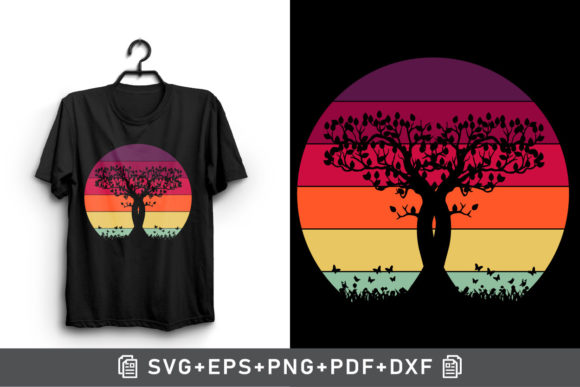
Retro Sunset Trees and Butterflies Review
When I first opened the Retro Sunset Trees and Butterflies file, my immediate reaction wasn't about the technical specs or the list of included formats. It was about the vibe. There is a specific kind of nostalgia that hits you when you see those warm, gradient hues fading into a horizon line flanked by silhouetted trees and delicate butterfly wings. As someone who has spent years reviewing design assets for real-world embroidery projects, I can tell you that mood matters just as much as stitch count. This isn't just a pretty image; it is a complete visual story waiting to be translated from pixels to thread.
I approached this review with a practical mindset. I didn't want to simply list what files are included, but rather how Retro Sunset Trees and Butterflies performs when it leaves the screen and lands on fabric. Whether you are an Etsy seller looking to stock your shop with unique handmade products or a crafter preparing a personalized gift for a loved one, the difference between a good design and a great finished product often comes down to execution.
From Screen to Stitch: The First Impression
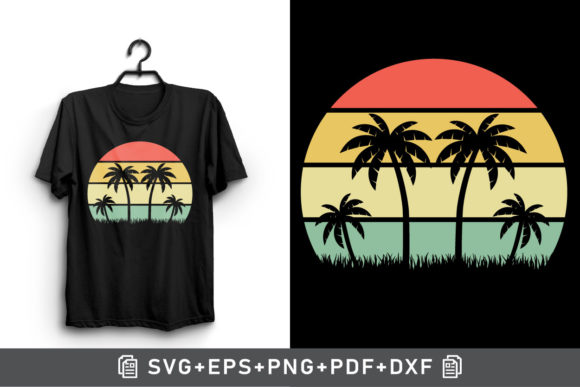
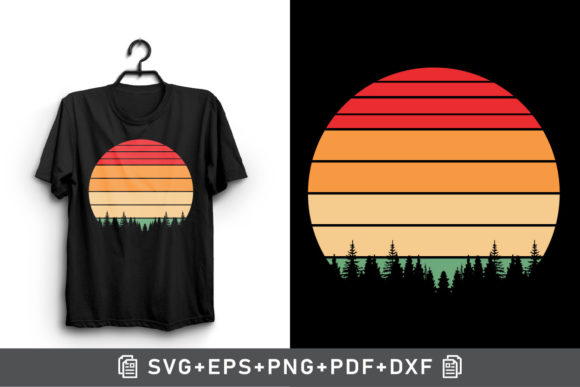
The layout of Retro Sunset Trees and Butterflies feels balanced in a way that suggests it was designed with versatility in mind. The central focus is the sunset arc, which naturally draws the eye, while the trees frame the composition and the butterflies add a touch of whimsy. In the world of machine embroidery, where every pixel translates to thousands of stitches, this balance is crucial. If the design were too dense, it would feel heavy and stiff on a garment. If it were too sparse, it might look unfinished.
Visually, the design screams "summer evening" and "cozy cottage." It evokes feelings of relaxation and nature. When I imagine this as an embroidery project, it fits perfectly onto a canvas tote bag, a linen tea towel, or perhaps a soft sweatshirt for a fall gathering. The retro aesthetic gives it a timeless quality that appeals to modern buyers who appreciate vintage-inspired graphics without feeling dated. For digital product sellers, this mood translates well into printable mockups, making it easy to visualize the final result before a single stitch is made.
Real-World Application: A Boutique Scenario
To truly understand the value of this design, let's walk through a hypothetical scenario. Imagine you are preparing inventory for a local craft fair or updating your online boutique. You have a client who wants a custom embroidered patch for their denim jacket, or perhaps a set of matching aprons for a small bakery.
If I were to use Retro Sunset Trees and Butterflies for a boutique product line, I would start with a high-quality cotton canvas tote bag. The design's medium level of detail allows it to stand out without overwhelming the bag's structure. The butterflies, when rendered in satin stitch, could catch the light beautifully, adding a subtle shimmer that customers love. The trees, handled with fill stitch, provide a solid anchor for the piece.
Consider a baby item, like a onesie or a burp cloth. The soft, nostalgic colors of the sunset would pair wonderfully with pastel threads. However, for baby embroidery, you must be mindful of the thread density. While Retro Sunset Trees and Butterflies looks great on paper, translating it to a tiny area requires careful planning. The design works best when scaled appropriately so that the details don't blur together on the small surface area of a baby garment.
For commercial embroidery projects, such as branded merchandise for a coffee shop or a yoga studio, this design offers a friendly, approachable brand identity. It signals creativity and warmth. If you are selling finished items, the visual appeal of Retro Sunset Trees and Butterflies directly impacts customer trust. A clean, well-stitched version of this graphic suggests professionalism and care, encouraging buyers to pay a premium for the handmade product.
Where to Exercise Caution
While the design is versatile, no single file is perfect for every situation. There are specific scenarios where Retro Sunset Trees and Butterflies might require extra attention or might not be the ideal choice. One major consideration is the hoop size. If you are working with a very small hoop, the intricate details of the butterflies and the texture of the trees might get lost. The stitching could become too crowded, leading to puckering or distortion of the fabric.
Fabric texture plays a huge role here. On textured fabrics like thick wool or rough burlap, the fine lines of the design might not register clearly. Similarly, stretchy fabrics like jersey knit require a stabilizer that matches the stretchiness of the material, or the design will warp during the washing process. Dark fabrics present another challenge; the retro sunset colors need to pop against the background. If the base fabric is black or navy, you might need to adjust your thread colors or consider using a white underlay to ensure the vibrancy remains true to the original illustration.
Curved surfaces, such as caps or fitted hats, also demand precision. The design needs to be digitized specifically for curved areas to avoid stretching issues. If the file provided does not account for curvature, the trees might look skewed on the side of a hat. Additionally, if you plan to wash the finished product frequently, like a kitchen towel or a work apron, you must ensure the stitch density is sufficient to withstand friction without fraying. Decorative accents should be reinforced, especially if the item will be used daily.
Practical Designer Notes for Success
Before you commit to running this design on your production line, there are several steps you should take to ensure a professional outcome. First and foremost, always test the design on scrap fabric. This simple step allows you to check thread color contrast and inspect small details before you risk ruining a customer's order. Look at how the Retro Sunset Trees and Butterflies holds up under different lighting conditions; sometimes a design looks great on your monitor but loses definition in natural sunlight.
Reviewing the stitch density is critical. High-density areas can cause the fabric to pucker, while low-density areas might look thin and cheap. If the file includes 100 customized layers, take the time to separate them logically. This makes it easier to manage thread changes and apply the correct stabilizer for each section. Use proper stabilizer—cut-away for stability on knits, tear-away for wovens—and ensure the hoop size is appropriate for the design dimensions.
Don't forget to test the design in black and white mockups. This helps you verify that the contrast levels are strong enough for the embroidery to read clearly, regardless of the thread colors you choose. Compare how the design looks on both light and dark fabric backgrounds to ensure versatility. If you are using this for a digital product, create clear previews that show the design on various materials so buyers know exactly what they are getting.
Finally, confirm the licensing terms before selling finished items or distributing the digital embroidery file. Understanding whether you can use Retro Sunset Trees and Butterflies for personal gifts or commercial merchandise is essential for protecting your business. By following these practical steps, you transform a simple graphic into a high-value, professional finished product that stands out in a crowded market.
In conclusion, Retro Sunset Trees and Butterflies is more than just a collection of illustrations and graphics; it is a versatile tool for creative entrepreneurs. With the right technique and attention to detail, it can elevate any embroidery project, from a simple tote bag to a full boutique collection. The key lies in understanding its strengths and respecting its limitations, ensuring that the final stitched result matches the beautiful vision of the original design.