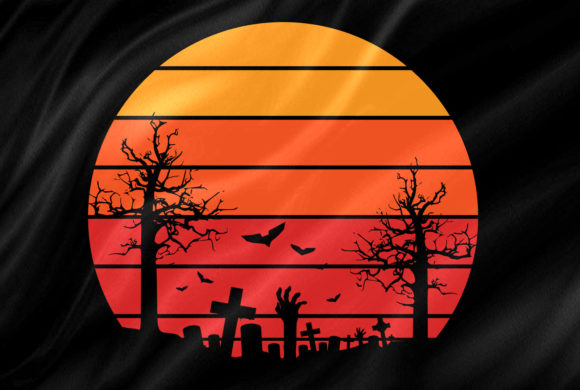
Retro Sunset Halloween Creatures
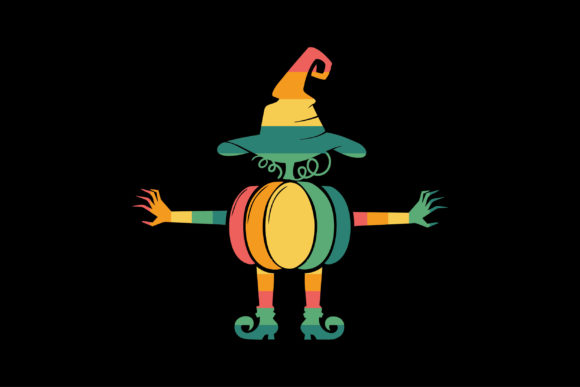
When I first opened the file for Retro Sunset Halloween Creatures, my immediate thought wasn't about stitch counts or digitizing software. It was about the vibe. There is a specific, nostalgic warmth to this design that separates it from the typical spooky, jagged horror aesthetics we often see in October. The retro sunset palette combined with playful creatures creates a mood that feels inviting rather than frightening. For an embroidery designer looking to create something unique for their shop, this is exactly the kind of visual personality that stands out on a crowded marketplace.
I am writing this review based on how I would approach this design for a real-world client project. If you are a small business owner, an Etsy seller, or a craft entrepreneur, you know that the difference between a good product and a great one often lies in the details of execution. Let's look at how Retro Sunset Halloween Creatures translates from a digital graphic to a tangible, stitched reality.
The First Stitch: Visual Appeal and Theme
The strength of this design lies in its composition. As a piece of Illustrations and Graphics meant for production, it avoids clutter. The layout suggests a scene rather than just a cluster of icons. When I imagine this as a machine embroidery design, the color blocking implied by the CMYK mode in the source files promises high contrast, which is crucial for thread visibility. The "retro" aspect suggests rounded edges and soft gradients, which can be tricky to replicate perfectly in thread, but the potential payoff is a design that looks like a vintage poster brought to life.
This isn't just a generic holiday motif; it has character. It appeals to buyers who want to celebrate the season without leaning into gore or fear. This makes it an excellent candidate for family-friendly items. The design naturally belongs on products that serve as gifts or decorative accents where the aesthetic needs to be polished and professional. It screams "boutique quality," which helps elevate the perceived value of your finished product.
Real-World Application: From Digital File to Finished Product
Let's walk through a scenario. Imagine you are preparing a custom embroidered tote bag for a local fall festival market. You want something that catches the eye of passersby but doesn't scream "cheap novelty." Placing Retro Sunset Halloween Creatures on a canvas tote in a deep orange or navy background could create a stunning focal point. The design's complexity allows it to hold up well on a larger surface area like a tote or a sweatshirt front.
However, consider the versatility. This design could also work beautifully as a smaller accent on a baby onesie or a nursery pillow cover. The whimsical nature of the creatures fits perfectly into a child's room decor, offering a softer alternative to traditional pumpkins and ghosts. For a commercial embroidery project aimed at selling personalized gifts, this design offers a fresh take that customers might not find on mass-produced items found in big-box stores.
If you are creating an embroidered patch for a denim jacket, the clean lines of the retro style would likely cut very sharply against the fabric edge. The layered nature of the file, assuming the layers are properly organized, gives you the flexibility to separate elements if you need to adjust the density for different fabric types. Whether you are making a sweatshirt embroidery piece for a corporate holiday party or a set of kitchen towels for a wedding gift, this design bridges the gap between festive fun and sophisticated design.
Where to Be Cautious: Fabric and Hoop Constraints
While the visual potential is high, every experienced designer knows that a beautiful graphic does not always guarantee a perfect stitch-out. There are specific scenarios where Retro Sunset Halloween Creatures requires careful consideration before hitting the start button on your machine.
First, consider the hoop size. If you attempt to use this design on a very small hoop, such as those used for hats or delicate baby accessories, you might run into issues with detail loss. Tiny corners or intricate shading within the creatures could get lost or become muddy if the stitch count is too high for the available space. Always check the recommended hoop size and ensure your design fits comfortably within the stitching area with some breathing room.
Fabric texture is another critical factor. On textured fabrics like heavy wool or loose-weave linen, the stability of the design can be compromised. You will need a robust stabilizer choice to prevent puckering, especially since the design likely involves areas of fill stitch that cover significant surface area. Conversely, on thin or stretchy fabrics like jersey knits, the tension required for the design might cause the material to distort. In these cases, a tear-away stabilizer might not be enough; a cut-away or wash-away backing might be necessary to maintain the integrity of the finished product.
Dense stitch areas are also worth noting. If the original graphic relies heavily on fine lines or tiny text, translating that directly into thread can sometimes result in a stiff, uncomfortable feel. If the design includes detailed lettering or very small accents, test them on scrap fabric first. You do not want to surprise a customer with a patch that feels like a cardboard cutout once it is stitched onto their favorite apron or cap.
Practical Designer Notes for Success
Before you commit to a bulk run or list this item on your Etsy shop, there are several technical steps you must take to ensure professionalism. The file format provided—SVG, EPS, PNG, PDF, JPEG—gives you options, but remember that vector files like SVG and EPS are best for resizing, while raster files like PNG and JPEG are better for visual reference only.
Test on scrap fabric first. This cannot be overstated. Run the design on a piece of the same fabric you intend to sell. Check the thread color contrast. Sometimes a color that looks vibrant on a screen appears dull when stitched in polyester or rayon thread. Review the stitch density; if the fill areas are too tight, the fabric may pucker. If they are too loose, the design may look patchy.
Confirm whether the design works for both personal and commercial projects. Licensing terms vary wildly, and using a design for a commercial sale without proper rights can lead to legal trouble. Ensure you have the right to sell finished items made from this digital embroidery file. Also, inspect small details closely. Does the creature's eye stitch out clearly? Is the sunset gradient represented well enough with standard thread colors?
Finally, think about the presentation. A well-executed embroidery project builds trust. When a buyer sees a crisp, clean application of Retro Sunset Halloween Creatures on a high-quality garment, they associate that quality with your brand. It shows attention to detail and a commitment to excellence. Use proper stabilizers, match your thread colors carefully, and perhaps even create a printable mockup that highlights the texture of the stitches to give customers a realistic idea of what they are buying.
In conclusion, Retro Sunset Halloween Creatures is more than just a seasonal graphic; it is a versatile asset for any creative entrepreneur. It balances nostalgia with modern appeal, making it suitable for a wide range of products from tote bag designs to holiday embroidery gifts. By approaching it with the caution and expertise of a seasoned designer, you can transform this digital asset into a profitable, high-quality addition to your collection.